The Northwest Zone Tourist Information and Handicraft Trade Center (CATZNO), also known as 'Camelódromo', is occupied by residents of the Northwest Zone itself and has 40 stalls, 38 shops selling various products, and two snack bars. Located at Praça Bruno Barbosa s/nº (Castelo), the space offers a wide variety of products for visitors, including clothing, footwear, toys, and electronics.
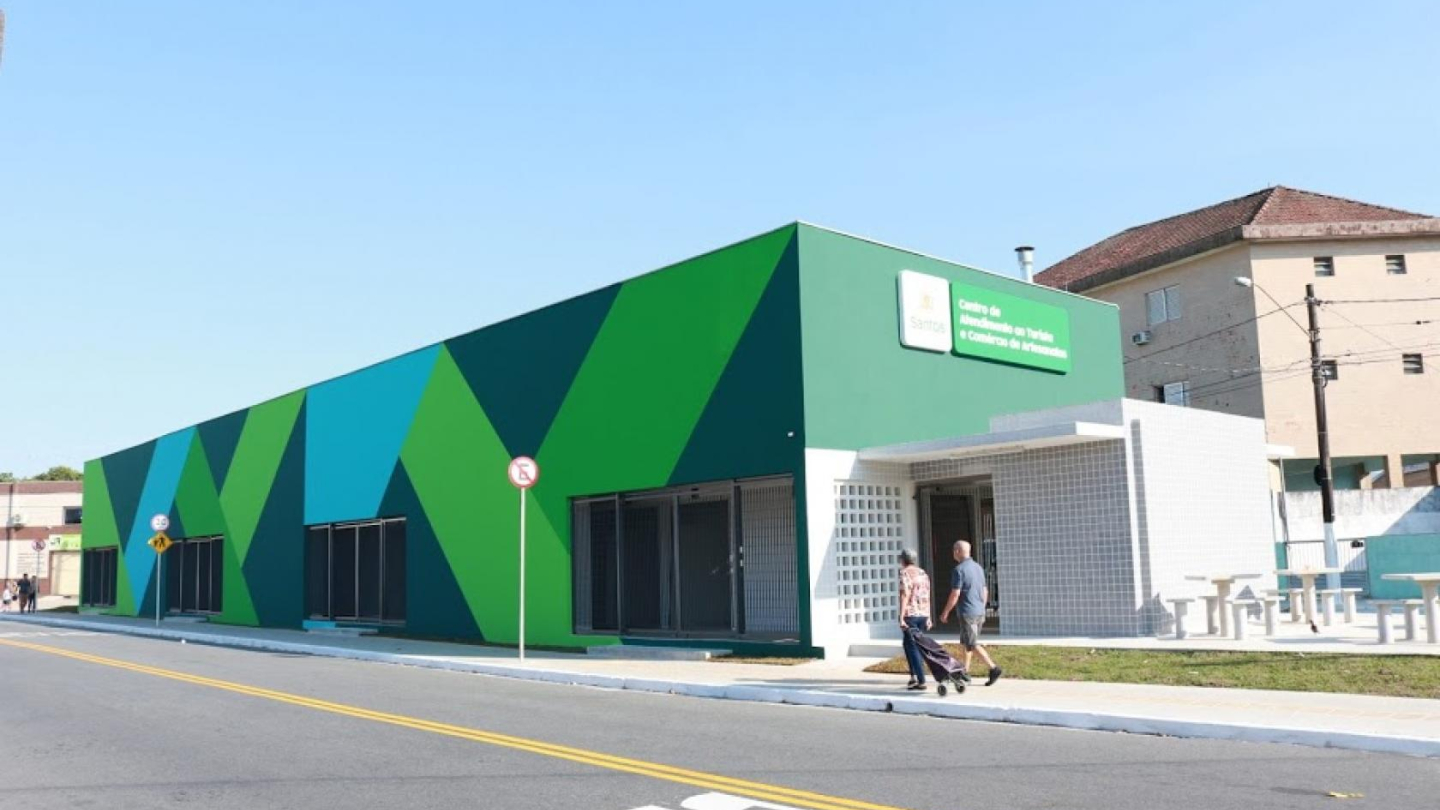
Northwest Zone Tourist Information and Handicraft Trade Center
Erasmos Sugar Mill (ruins)
Top photo: Antonio Vargas
Considered one of the country’s most important archaeological sites, the São Jorge dos Erasmos mill was the first sugar-cane mill in Brazil, according to Frei Gaspar de Madre de Deus and Iphan (Institute of National Historic and Artistic Heritage).
Built in 1543 at the foot of Morro da Canaleira, it is considered the only one on Brazil – and perhaps the world – constructed in Azorean style, which identifies the archipelago where the Portuguese developed the sugar industry. This characteristic is attributed because of the unified construction, with all the installations under one roof. It is also the only mill in the country whose ruins are preserved.
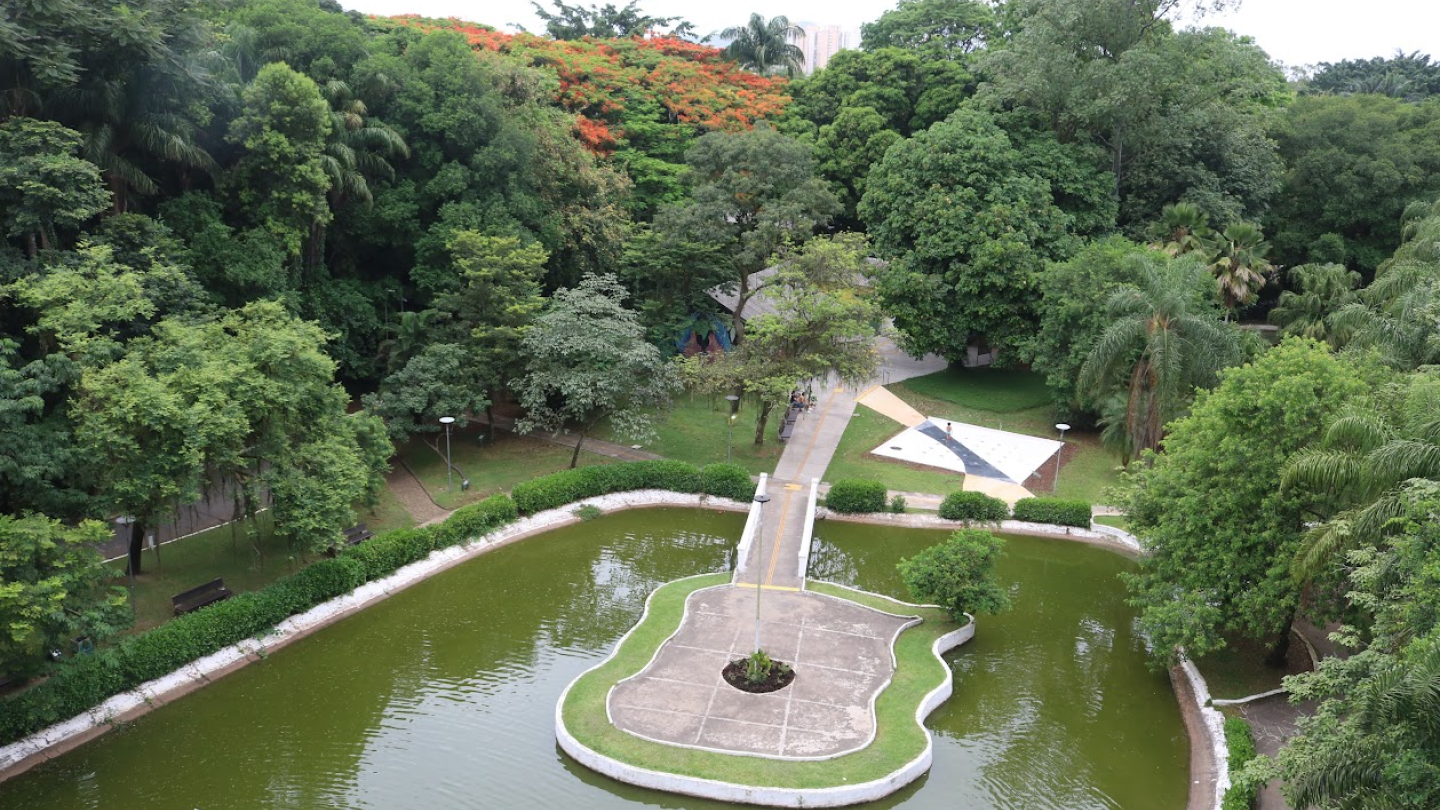
Chico Mendes Botanical Gardens
Top photo: Raimundo Rosa
This is a park covering 90,000m², with more than 300 catalogued plant species, divided into 20 botanical collections, such as Amazon and Atlantic Forest, hardwood, 65 species of palm trees and endangered species. This diversity can be appreciated on a guided tour. The park offers a playground, as well as 100 meters of paved, well-lit paths, marked every 100 meters, facilitating sports activities. It also has wooden benches and tables, ideal for looking out over the three lakes, home to tilapia and carp, with frequent visits by aquatic birds. Work on the park began in 1925 in the old Municipal Nursery Gardens, located beside Santa Casa hospital, where City Hall gardeners planted the first seedlings and cuttings. In 1973, this work began to be carried out in the current grounds, in Bom Retiro, which then became the Botanical Gardens in 1994, when it started to offer conservation programs, especially for native Atlantic Forest species.