This is the departure point for the various schooner trips around Santos Bay, taking in Barra Fortress; Palmas island; Góes, Cheira Limão, and Sangava beaches, and Urubuqueçaba Island. On the stretch through the Estuary and Bertioga Channel, highlights are the port and warehouses, the old Port Authority (Codesp) buildings, Barnabé Island, the old Santos Air Base, and Diana Island. Genesis, Turismo no Mar and Bravotur tour agencies offer trips lasting betweeen 1hour 30 minutes and 3 hours 45 minutes.
Edgard Perdigão Pier

Roberto Mário Santini Municipal Park
Located on the Santos waterfront, Roberto Mário Santini Park is one of the city's most beloved public spaces. Also known as Quebra-Mar de Santos and Emissário Submarino de Santos, the park serves as a large outdoor meeting point, frequented daily by residents and visitors of all ages.
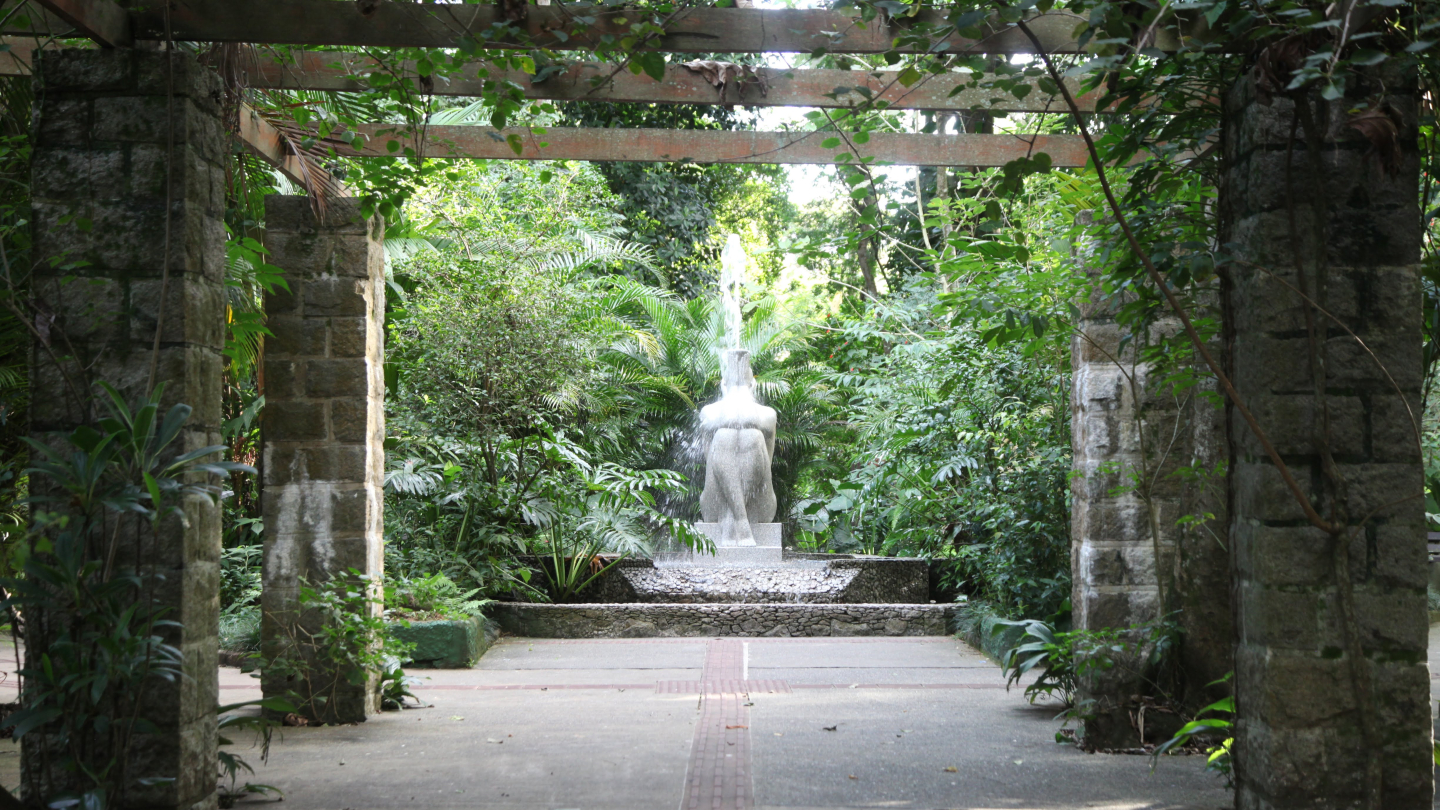
Orchid Garden
Top photo: Marcelo Martins
A zoological garden reproducing Atlantic Forest vegetation, the Municipal Orchid Garden boasts around 3500 orchids from 120 species, the vast majority fixed on trees. Inaugurated in 1945, it was the world’s largest open-air garden of it type at the time, and is currently the second most popular tourist attraction Santos, behind only the Aquarium.
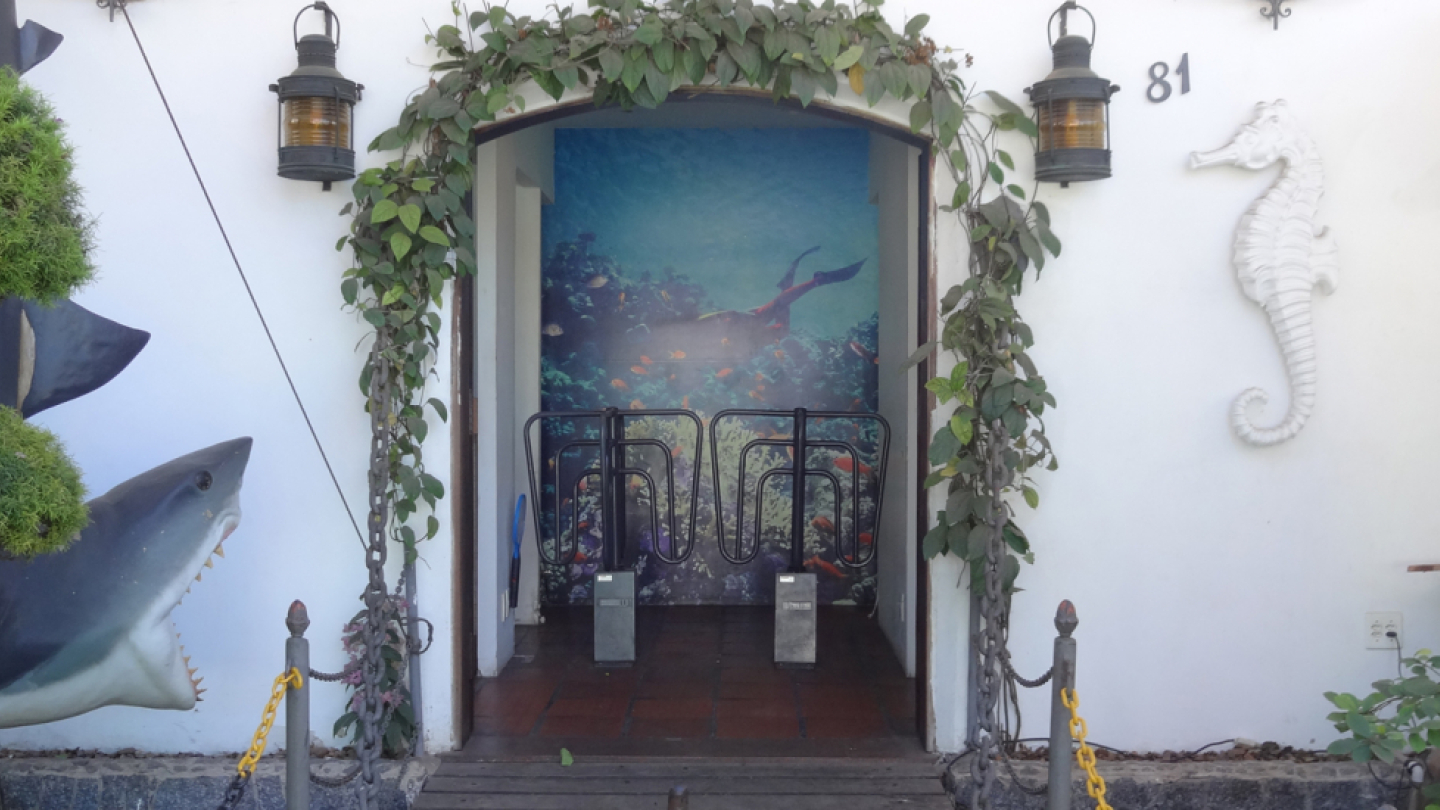
Sea and Maritime Museum
Top photo: Francisco Arrais
With a large collection of marine biology from Latin America, it possesses the largest collection of taxidermied sharks in the country, including the embryo of a specimen with two heads and fossilized teeth of a megalodon, a prehistoric animal extinct for 30 million years.
It also exhibits a whale shark; a sunfish, the largest bony fish in the world; seabirds and shells weighing over 100 kilos. A large part of the collection comes from abroad.
The Maritime Museum boasts one of the main collections of underwater archaeology and maritime history in Brazil. To the sound of old sailors' songs, visitors witness simulated cannon fire, contemplate models of pirates and captains, and appreciate relics recovered from 18th and 19th-century vessels, including pirate ships and the Titanic.
The entrance to the museum, which opened in December 2005, is adorned with ship flags and a life-size pirate figure. Inside, there are scale models of famous vessels, a collection of medals from various nationalities, and 25 oil paintings on canvas by Carlos Alfredo Hablitzel, depicting important Brazilian and foreign naval episodes, including the first naval battle in the bay of Santos in 1580.
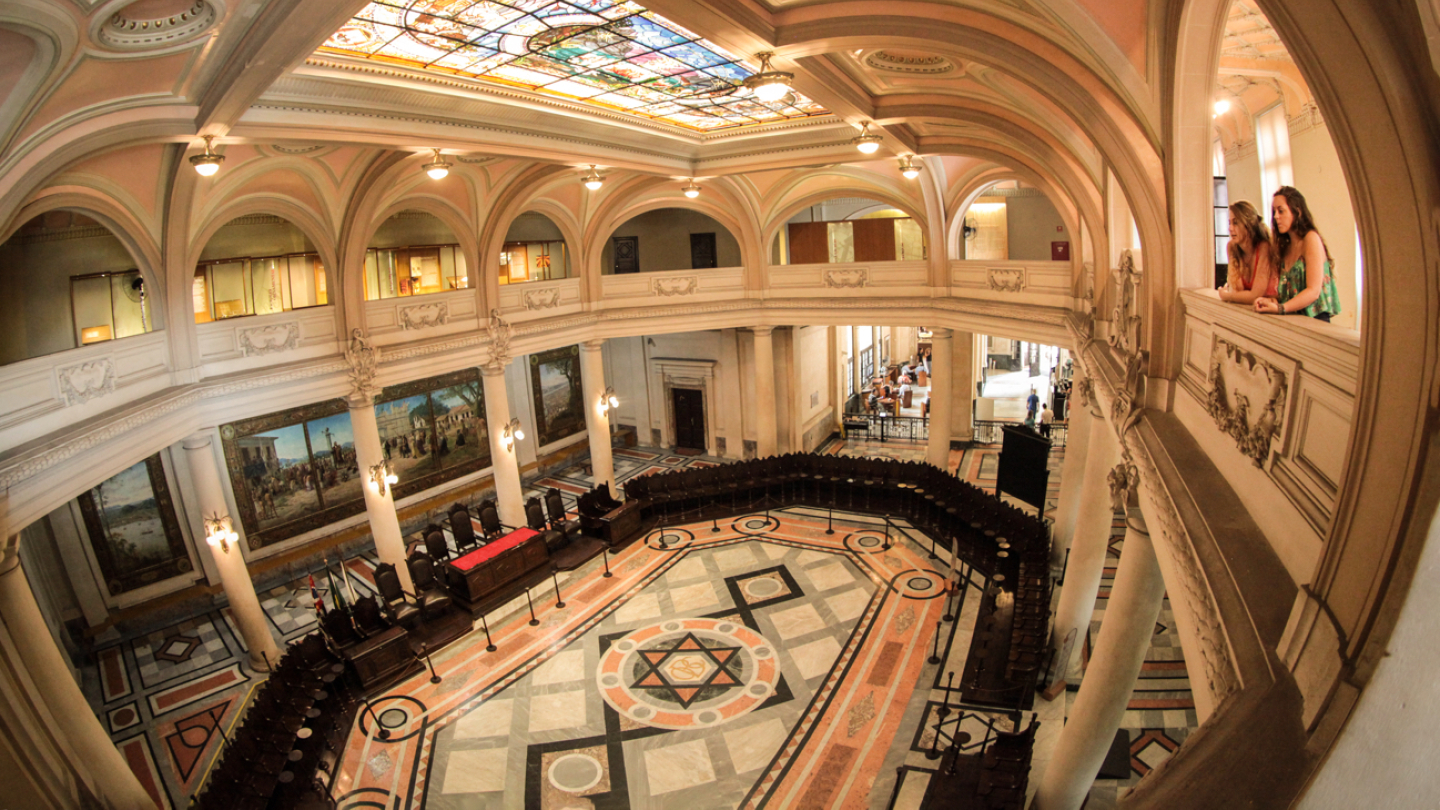
Coffee Museum
Top photo: Tadeu Nascimento
A place that brings together tradition, architecture, history, flavors and aromas. Installed in an eclectic-style building, with an area of 6,000 m² and more than 200 doors and windows, the Coffee Museum, inaugurated in 1998, is much more than a tourist attraction that showcases the number one Brazilian export at the end of the 19th century. It is an experience of various sensations, from the cultivation of the bean to the consolidation of coffee as one of the national symbols. Permanent and temporary exhibitions, works of art, period furniture, themed shop and a café serving the best coffee beans – including the most expensive and rarest in the country – are some of its many attractions.
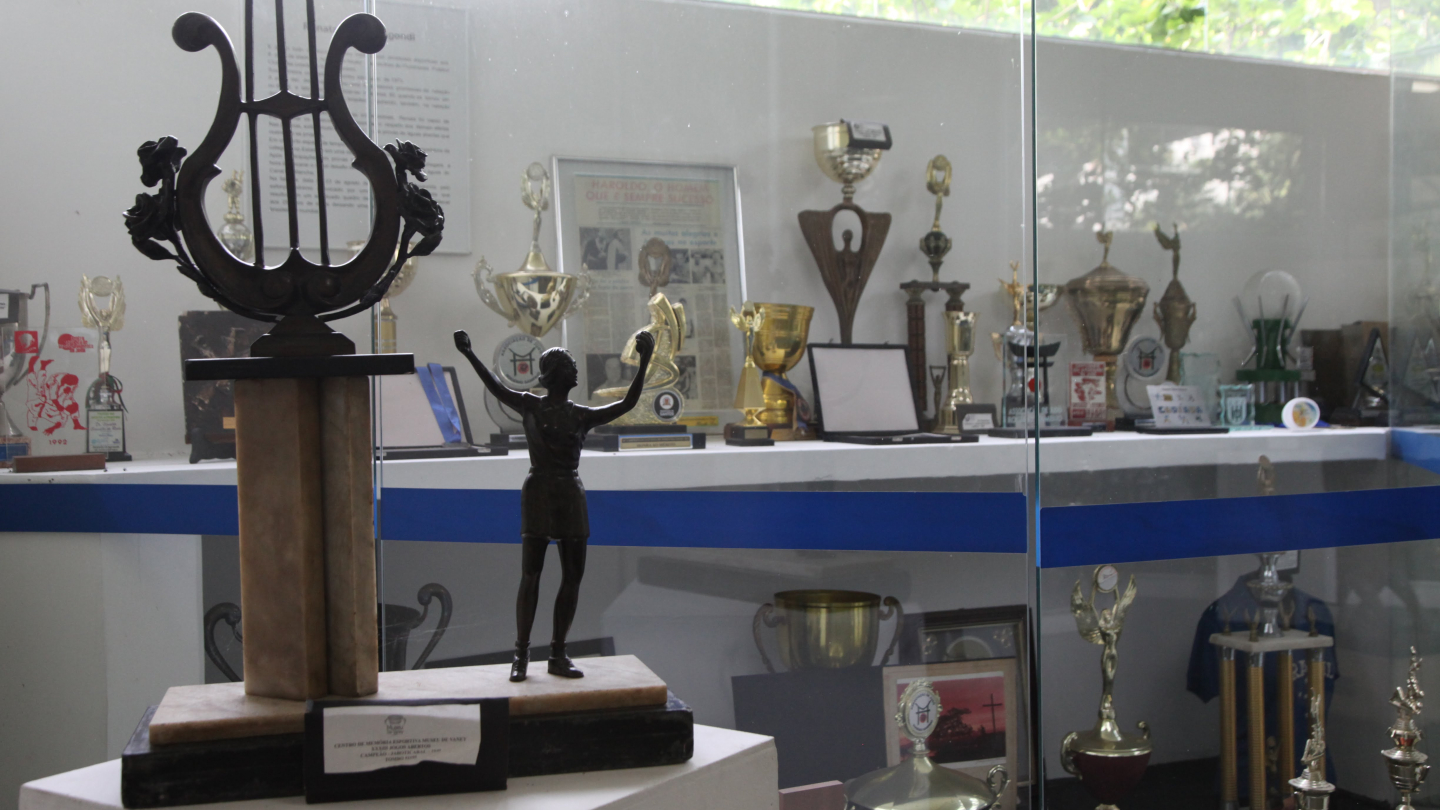
De Vaney Sports Memorial Center
Top photo: Marcelo Martins
Created to recover, witness and preserve the sports history of Santos – considered the sportiest municipality in Brazil since 1955 – the De Vaney Sports Memorial Center boasts a collection of more than 500 trophies won from 1939.
The museum also houses photographic and personal collections with more than a thousand images, library and sports newspaper collection with journalistic material organized according to subject and sport. There are also records of veteran athletes, CDs and DVDs, research material, statements, auditorium for talks and small events. The museum offers guided tours, publishes information and has a choir of veteran athletes, which meets weekly.
Fishing Museum
Top photo: Susan Hortas
Installed in a mansion built in 1908, the Fishing Museum is one of the main tourist attractions in Santos and is part of historical-cultural heritage of the entire region. Eclectic in style, the building, constructed on the site of the former Fort August (18th century), houses an important collection on the aquatic environment.
Among its attractions are: a 23m-long whale skeleton, giant squid, Beach Room, play wing, stuffed animals and a huge collection of sand from beaches in Brazil and from around the world.
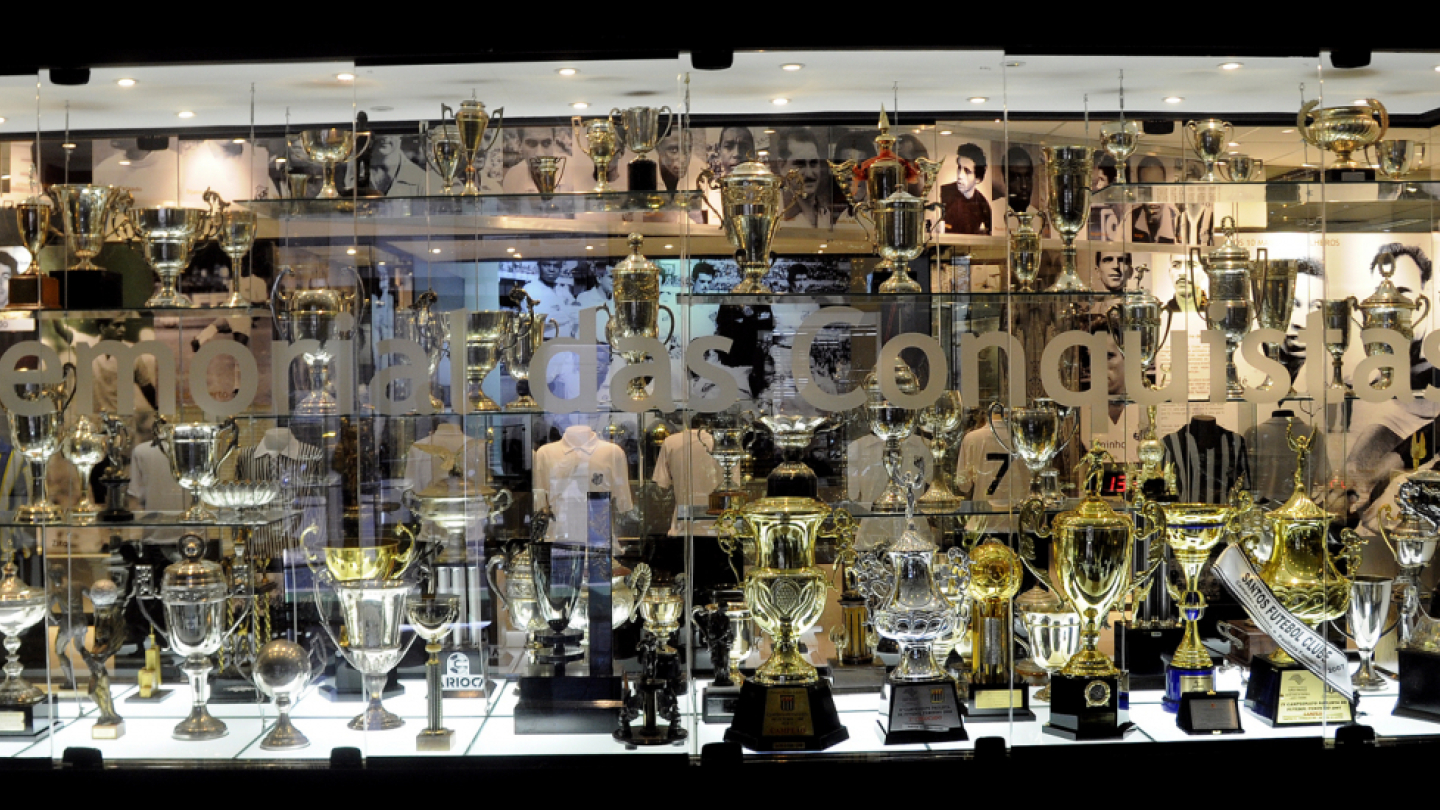
Santos F.C. Trophy Hall and Memorial Museum
Top photo: Tadeu Nascimento
During a visit to the Santos Football club Trophy Hall and Memorial Museum, fans – and even those who are not so keen on football! – can learn about some of the many incredible feats of a team that stopped a war, scored more goals and is a renowned production line of international football cracks.
There are 380m² for visitors to have fun and learn about the legends of the most famous ‘vila’ in the world: Vila Belmiro, the neighborhood that is home to the Urbano Caldeira Stadium, and Santos FC. Installed on the ground floor of the stadium since November 17, 2003, the Memorial Museum presents eternal moments of the great idols of all time, some with their own spaces, like Pelé and Neymar, as well 600 trophies, photographs, videos, prizes, banners and temporary exhibitions.
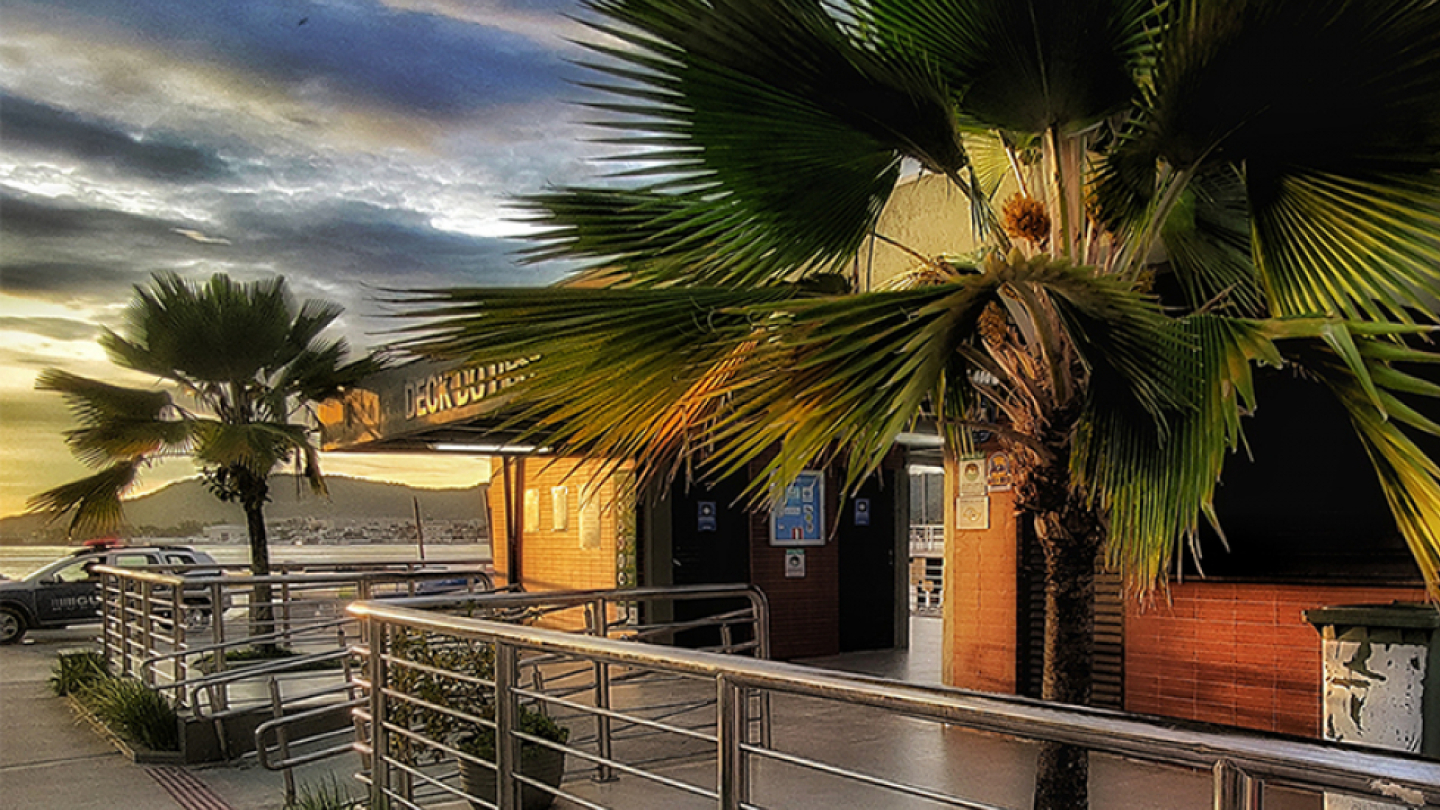
Fisherman’s Deck
Main photo: Tadeu Nascimento
A favored spot for fishing enthusiasts and the perfect observation post to watch ships coming and going in the Santos Estuary, this is one of the city’s main tourist attractions.
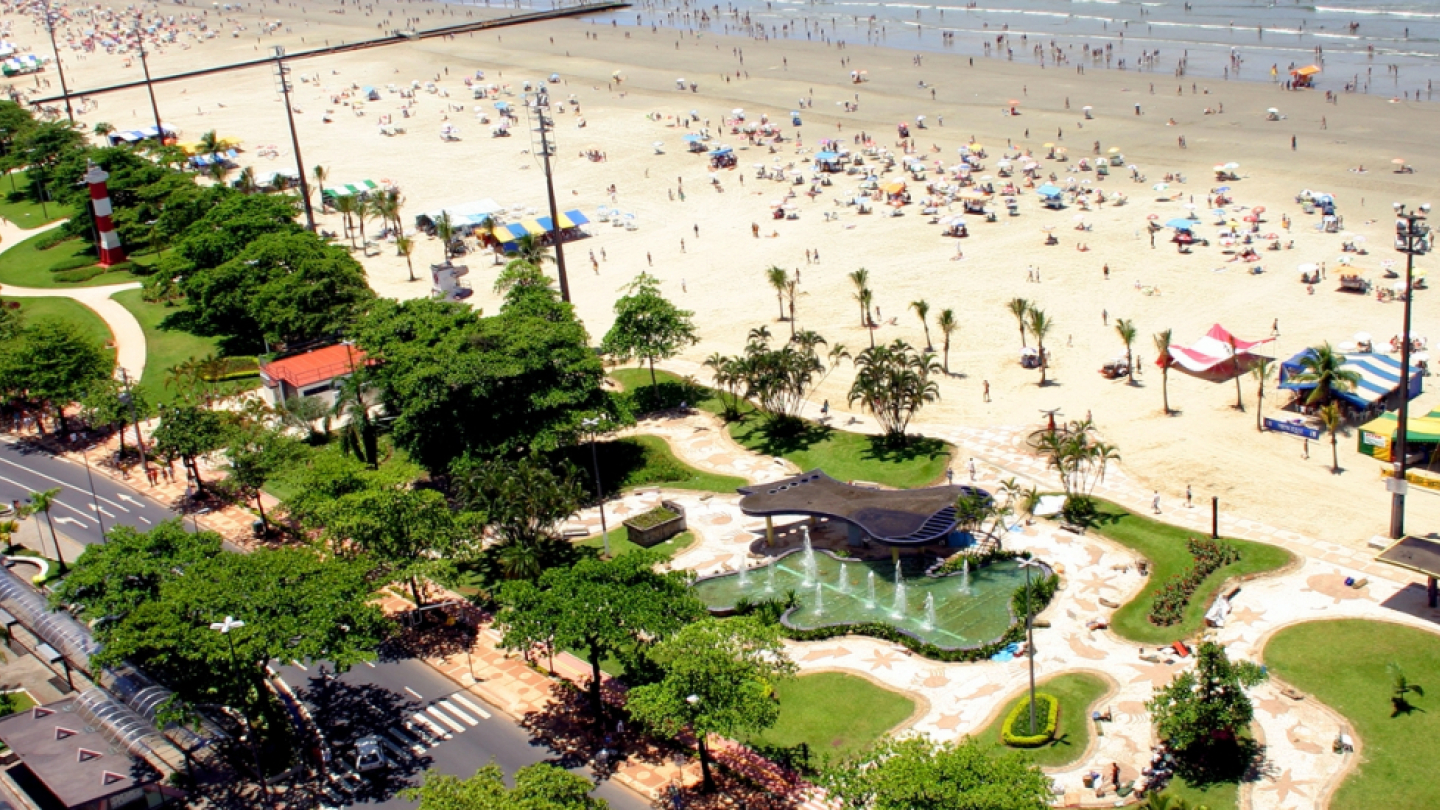
Beach gardens
Santos is home to the largest beach-front gardens in the world, as registered in the Guinness Book of World Records in 2002. Still the record holder, the gardens, which frame the seven kilometers of beaches, are one of the city’s main tourist attractions and stretch for 5.335km, varying in width between 45m and 50m, with a total area of 218,800m2 .
They are also an open-air art gallery, housing no fewer than 38 monuments and sculptures, highlighting characters from the Santos, national and international scenarios.