Founded on December 22, 1870, the Santos Commercial Association (ACS) is directly linked to the development of the city and the country. Santos was still a colonial city when the institution was created by a group of businessmen to boost the growth of the port of Santos and, along with it, the economy of São Paulo and Brazil. The founders of the ACS and its members were decisive for many of the advances that the people of Santos saw in the following years: the organized port, the first local secondary school, the first opera house, and the first property security institution. An example of the importance of the ACS to Santos is that in 1891, during a political crisis, the population of Santos entrusted the entity with the administrative management of the city for a brief period.
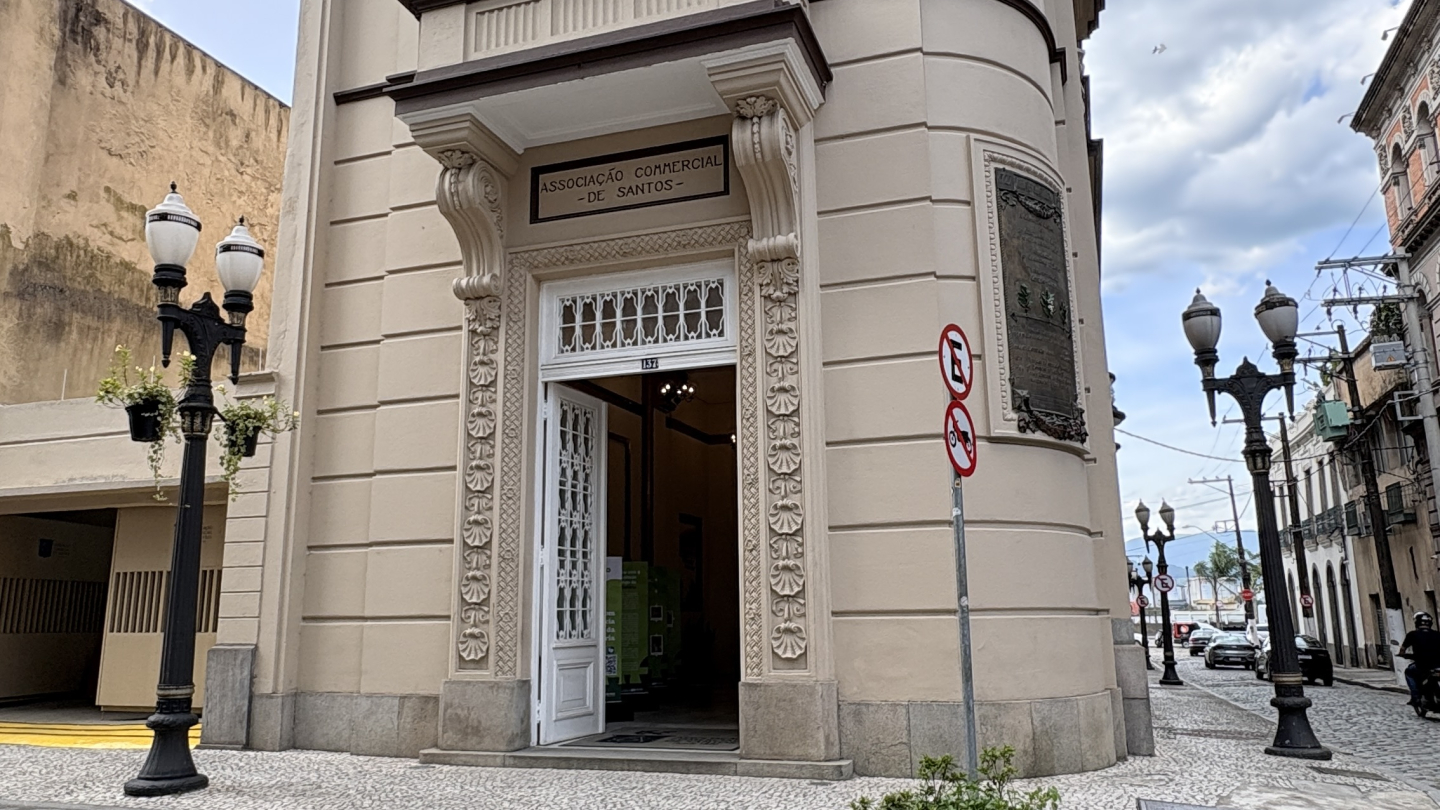
Santos Commercial Association

Museum of Image and Sound of Santos
The Museum of Image and Sound of Santos (MISS) was established on November 8, 1996, with the purpose of recording, preserving, and restoring artistic, historical, sociological, and cultural materials of the city. The venue houses rare pieces and an extensive audio and video collection, as well as a digital recording studio, an auditorium, and a screening room.
MISS has a permanent collection of more than 200 objects (including photographic cameras, video cameras, projectors, and sound equipment), a record library with over six thousand vinyl records, and a catalog of films and audiovisual works totaling three thousand titles. All materials are available to the public free of charge.
Since 2014, the Chico Botelho Screening Room has featured an enhanced digital sound and video system, as well as comfortable seating for screenings.
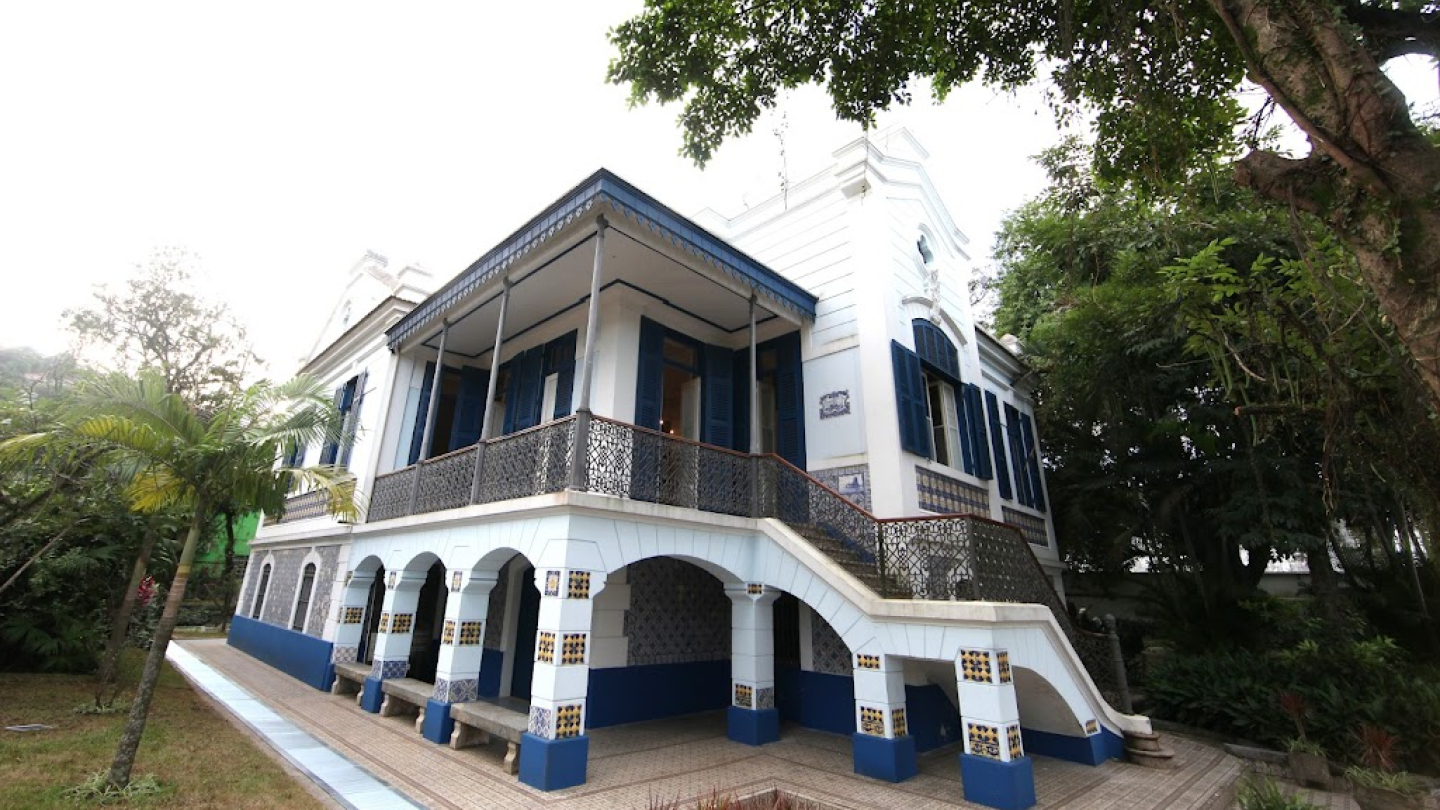
House of Cultures
The Santos House of Cultures occupies a listed and restored eclectic-style mansion located at Rua Sete de Setembro 49, in Vila Nova, built in 1900 as a residence for employees of the then Santos Dock Company.
Leased by the City Hall, the space will host exhibitions, book launches, literary workshops, and activities of various artistic expressions. Management will be handled by the Secretariat of Culture in partnership with the Santos Archive and Memory Foundation, and curated by Flávio Viegas Amoreira.
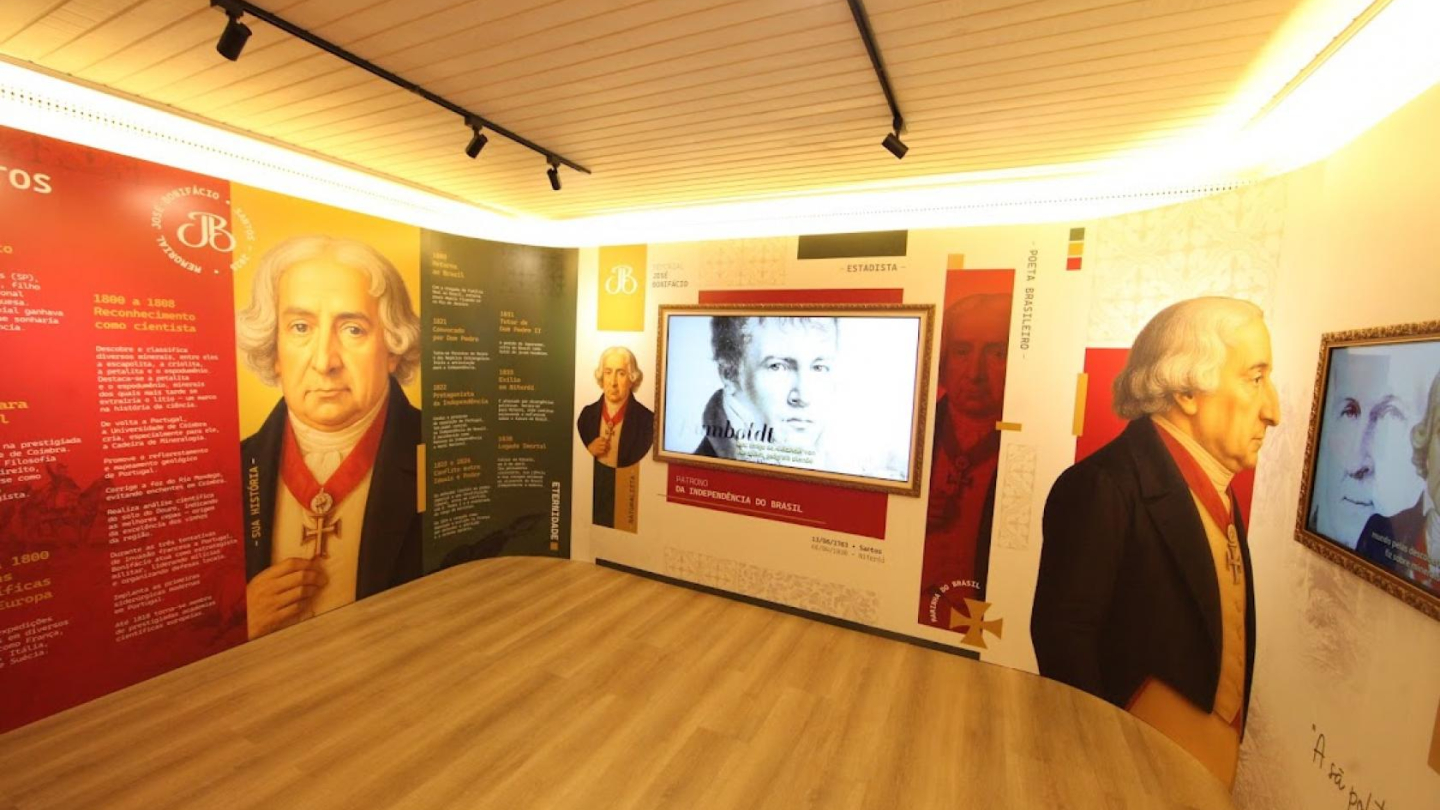
José Bonifácio Memorial
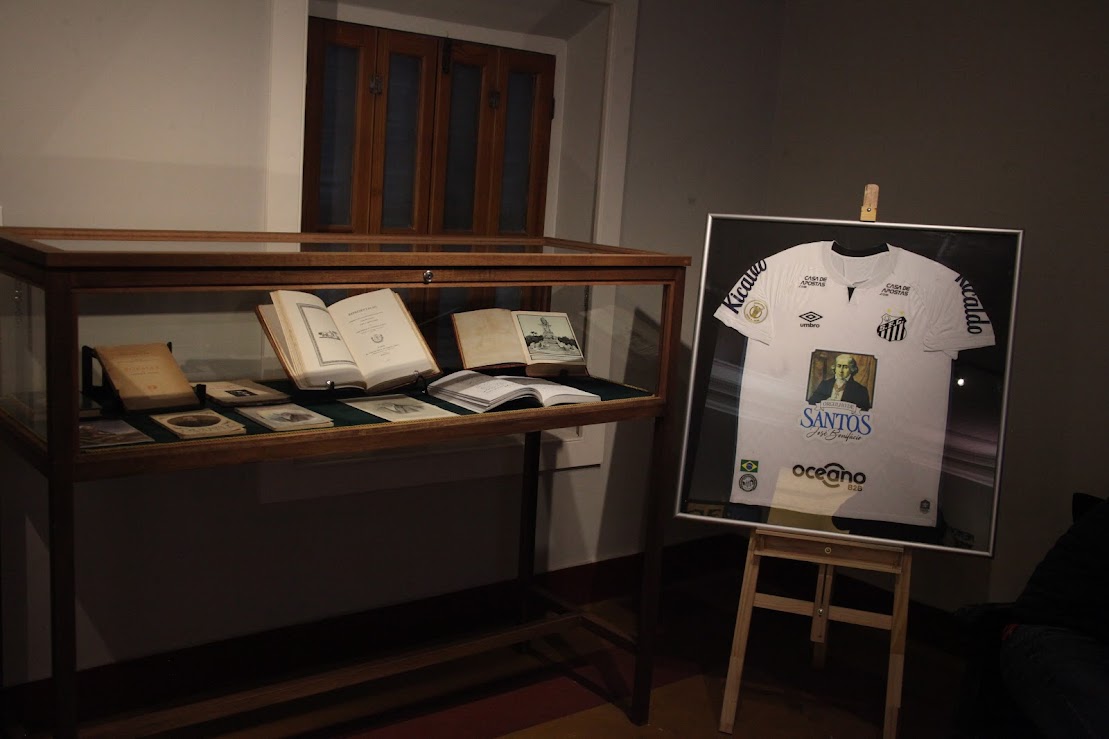
Located in the House of Cultures, the José Bonifácio Memorial now has three rooms dedicated to presenting the unique and surprising history of this saint. The collection includes visual and textual content, videos, and objects such as medals, plaques, books, samples of minerals he discovered, and a bust.
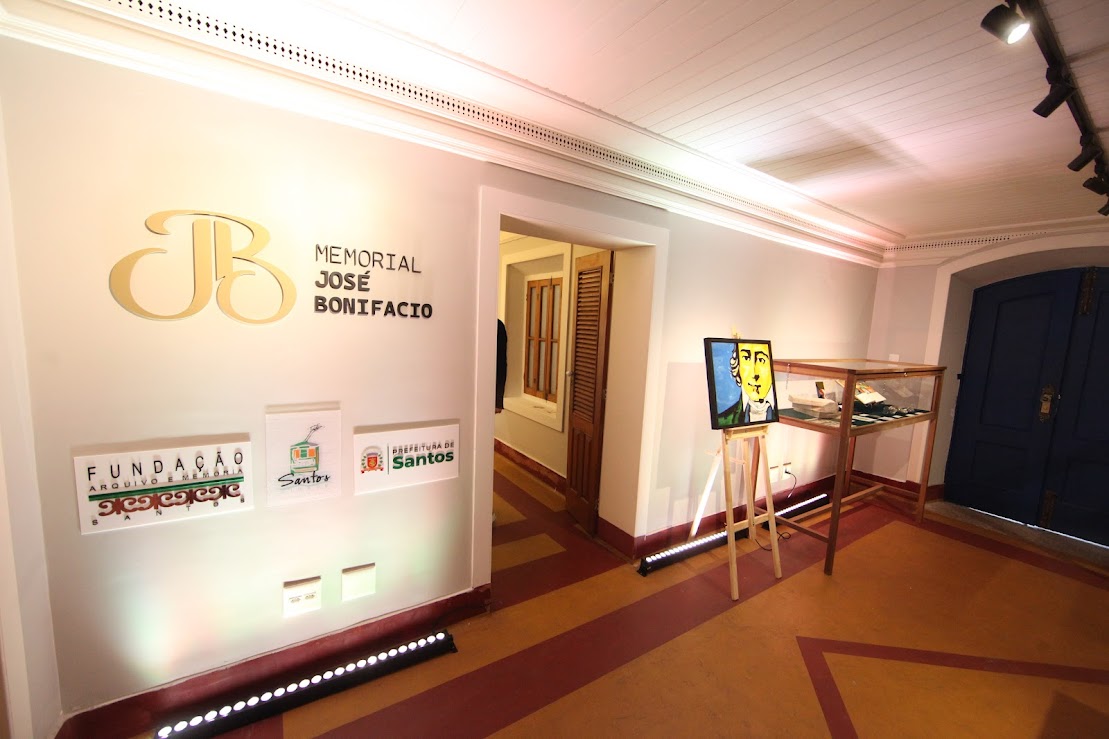
In the very first room, an artificial intelligence animation, produced by the Santos Archive and Memory Foundation (Fams), features José Bonifácio himself welcoming the visitor. In the same space, an augmented reality table presents in detail the monument in homage to the Andradas in Independence Square, in Gonzaga.
Santos Convention Center
Top photo: Marcelo Martins
An 800m² mural by artist Eduardo Kobra, focusing on five Santos icons (the Coffee museum, the streetcars, Pelé and the port, depicted inside the city’s characteristic low walls), inaugurated on October 23, 2020, illustrates the facade of the Santos Convention Center, the most modern and comprehensive in the city.
With a constructed area of 32,565.81m², the convention Center, officially opened on October 30, 2020, is located beside Avenida Mário Covas, near the ferryboat terminal that links Santos and Guarujá.
Patrícia Galvão Cultural Center
The city’s main arts complex, the Patricia Galvão Cultural center comprises the Brás Cubas Municipal Theater, the Rosinha Mastrângelo Arena Theater, the Santos Museum of Image and sound (MISS), the Roldão Mendes Rosa Newspaper Library , and the Braz Cubas and Patricia Galvão art galleries. The building is also home to the Municipal Department of Culture, as well as workshops and regular courses in the areas of scenic arts, visual arts, music, dance, audiovisual and general culture.
Portuguese Cultural Center
Top photo: Ronaldo Andrade
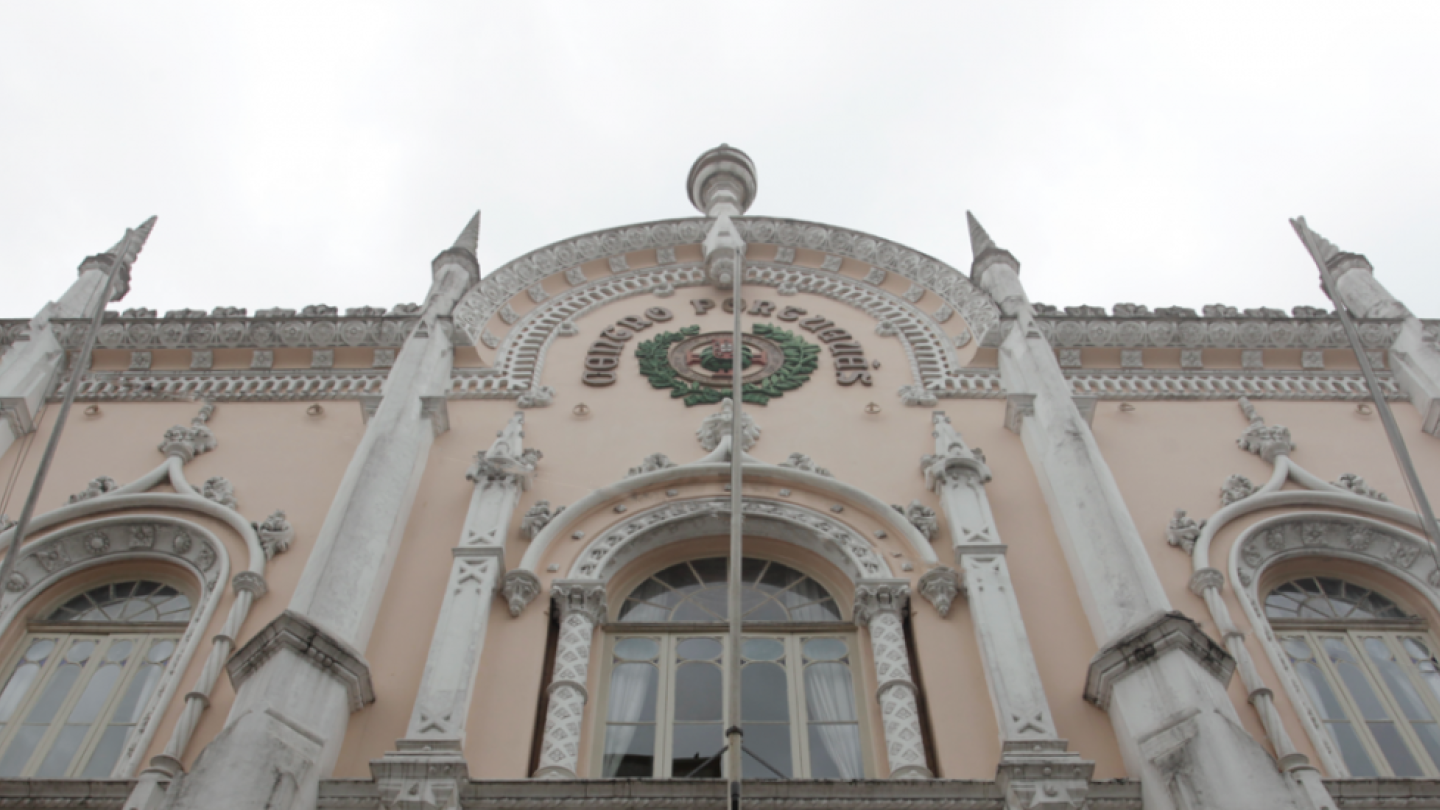
The only construction in Neo-Manueline style in São Paulo State and one of the few in Brazil, this building was inaugurated in 1900, still unfinished, after two years’ work – the project by two Portuguese engineers was concluded in the following year. In 1945, the Royal Portuguese Center was renamed the Portuguese Center and in 2006, merging with the Portuguese Social Union, was given the name of Portuguese Cultural Center. The older building is the administrative and cultural headquarters, while the other unit holds social activities.
Benedicto Calixto Art Collection
Top photo: Marcelo Martins
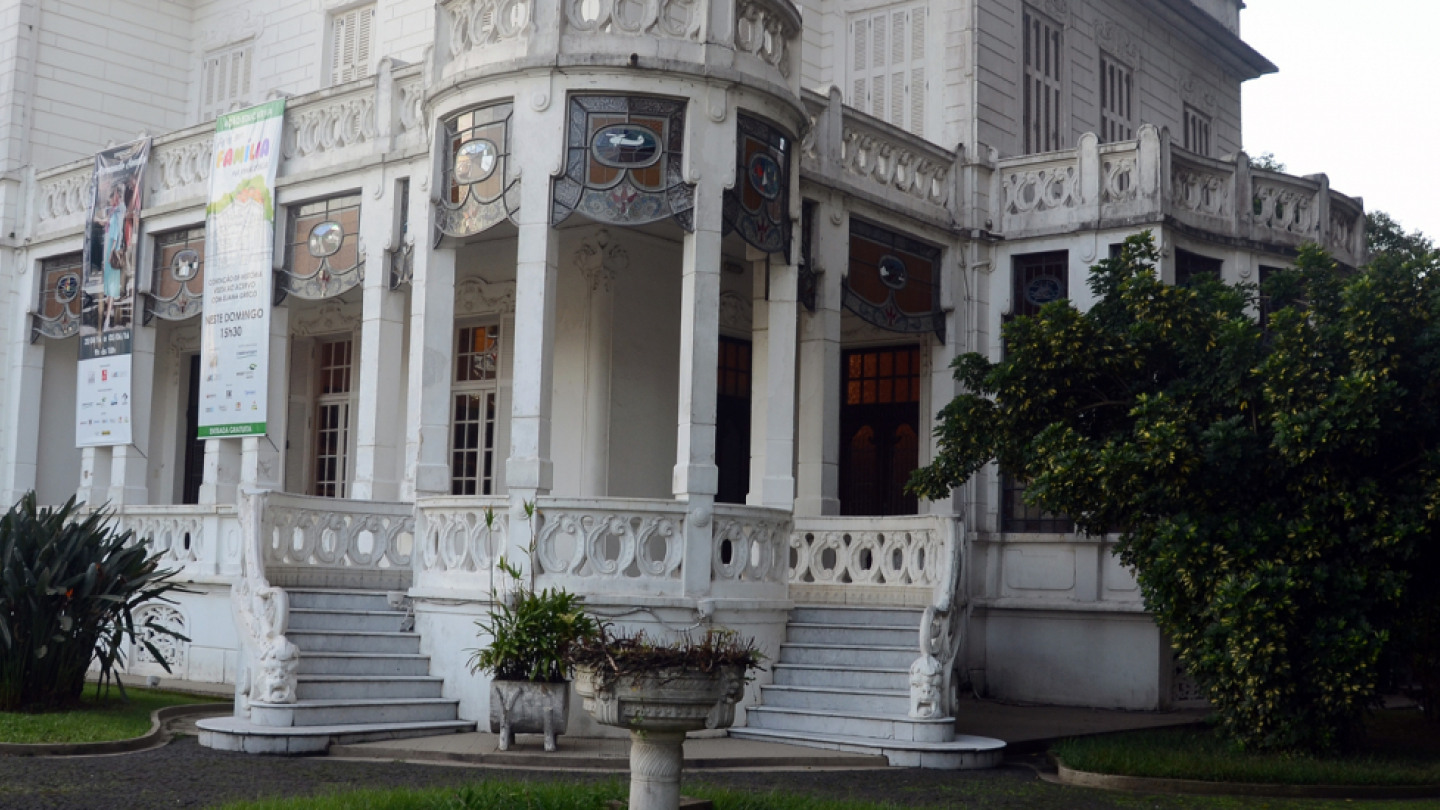
Hosted in a beautiful neoclassical mansion from the early 20th century, the Benedicto Calixto Art Gallery is an important cultural space in the city, offering musical happy hours, courses, and various events for children and adults, especially on weekends.
The house, the last on the Santos coastline that retains the characteristics of the era of the coffee barons, served as a family residence, a retirement home, a boarding house for young women, and even a tenement, before being declared a public utility in 1979 and beginning its restoration seven years later.
On the ground floor are an art library and a permanent exhibition of works by Calixto, considered one of the greatest exponents of Brazilian painting from the early 20th century. The upper floor functions as a gallery for temporary exhibitions.
Sea and Maritime Museum
Top photo: Francisco Arrais
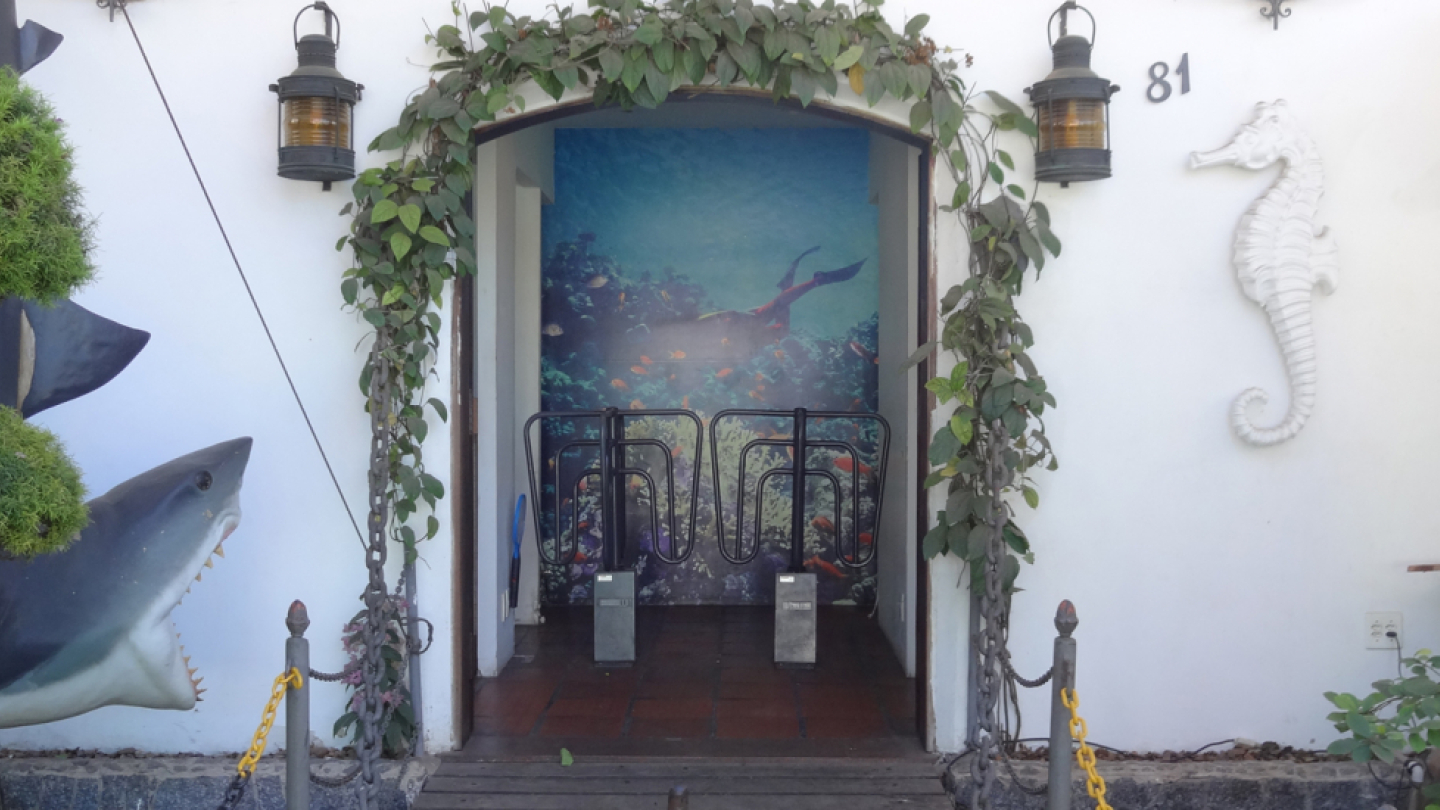
With a large collection of marine biology from Latin America, it possesses the largest collection of taxidermied sharks in the country, including the embryo of a specimen with two heads and fossilized teeth of a megalodon, a prehistoric animal extinct for 30 million years.
It also exhibits a whale shark; a sunfish, the largest bony fish in the world; seabirds and shells weighing over 100 kilos. A large part of the collection comes from abroad.
The Maritime Museum boasts one of the main collections of underwater archaeology and maritime history in Brazil. To the sound of old sailors' songs, visitors witness simulated cannon fire, contemplate models of pirates and captains, and appreciate relics recovered from 18th and 19th-century vessels, including pirate ships and the Titanic.
The entrance to the museum, which opened in December 2005, is adorned with ship flags and a life-size pirate figure. Inside, there are scale models of famous vessels, a collection of medals from various nationalities, and 25 oil paintings on canvas by Carlos Alfredo Hablitzel, depicting important Brazilian and foreign naval episodes, including the first naval battle in the bay of Santos in 1580.
Coffee Museum
Top photo: Tadeu Nascimento
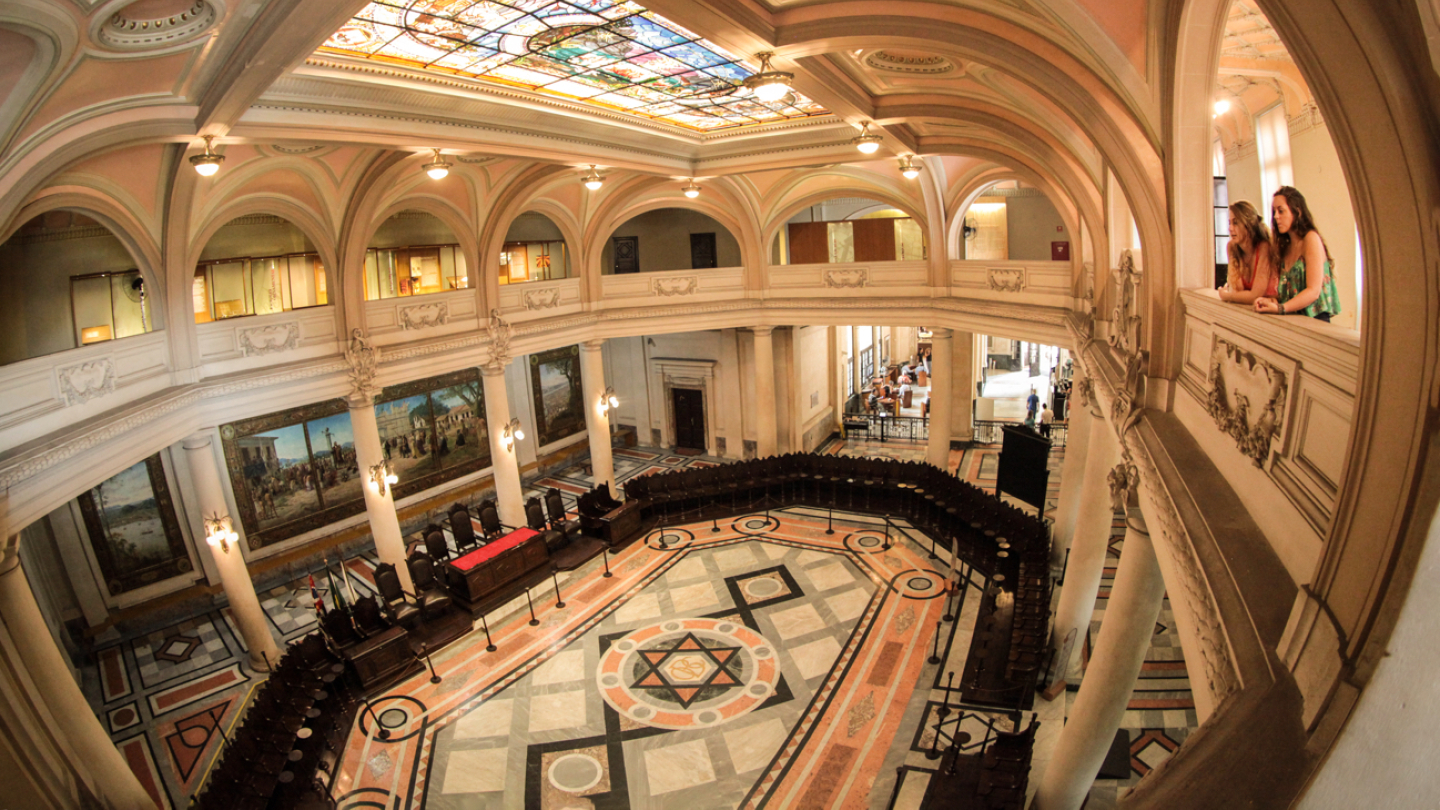
A place that brings together tradition, architecture, history, flavors and aromas. Installed in an eclectic-style building, with an area of 6,000 m² and more than 200 doors and windows, the Coffee Museum, inaugurated in 1998, is much more than a tourist attraction that showcases the number one Brazilian export at the end of the 19th century. It is an experience of various sensations, from the cultivation of the bean to the consolidation of coffee as one of the national symbols. Permanent and temporary exhibitions, works of art, period furniture, themed shop and a café serving the best coffee beans – including the most expensive and rarest in the country – are some of its many attractions.