Fishing Museum

Top photo: Susan Hortas


Installed in a mansion built in 1908, the Fishing Museum is one of the main tourist attractions in Santos and is part of historical-cultural heritage of the entire region. Eclectic in style, the building, constructed on the site of the former Fort August (18th century), houses an important collection on the aquatic environment. 

Among its attractions are: a 23m-long whale skeleton, giant squid, Beach Room, play wing, stuffed animals and a huge collection of sand from beaches in Brazil and from around the world.   

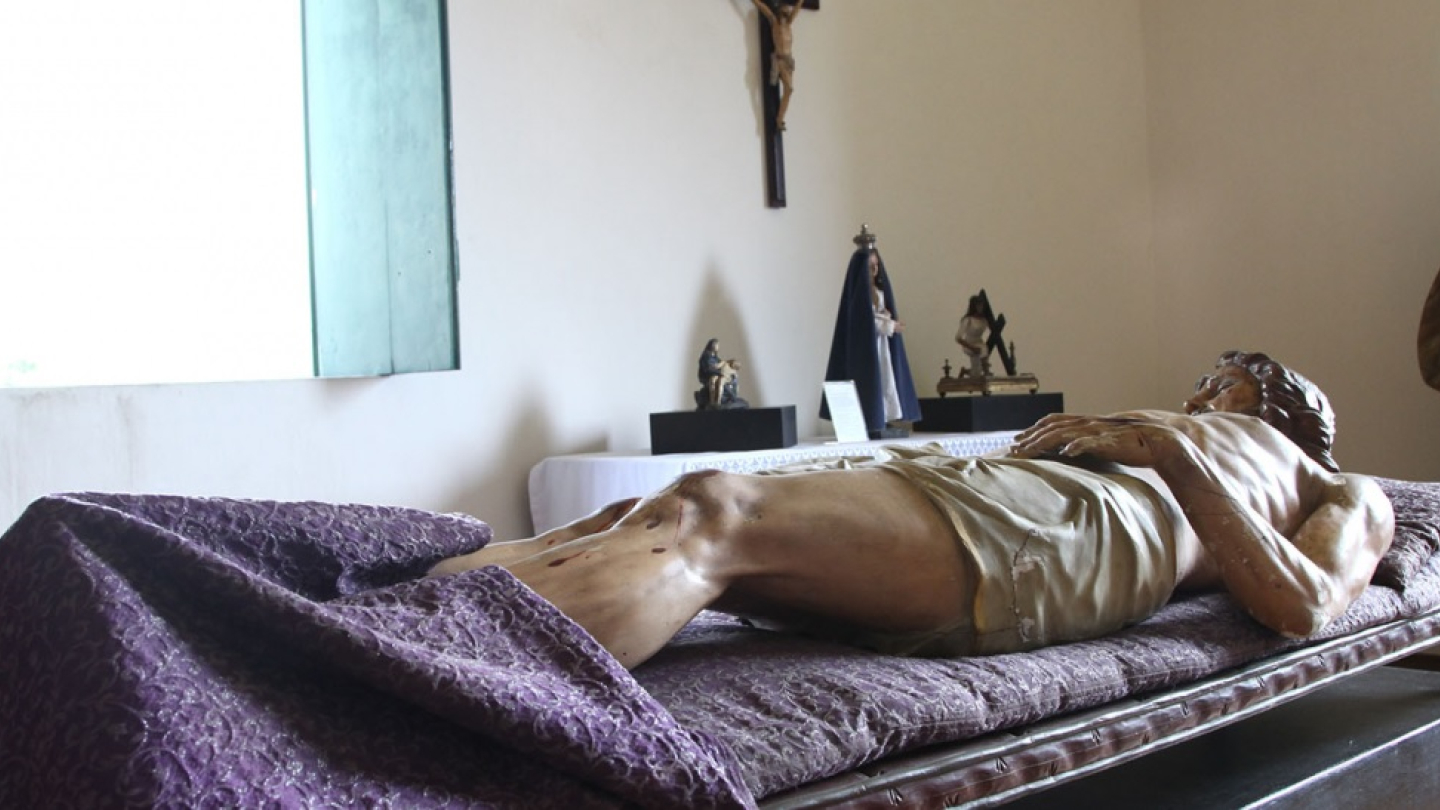
Uma cena de arte sacra em um quarto iluminado pela luz de uma janela aberta, onde uma escultura de Jesus morto repousa em um leito coberto com um tecido roxo, com outras estátuas e um crucifixo na parede ao fundo

Museum of Sacred Art

Top photo: Francisco Arrais


The Benedictine architectural complex composed of the Igreja Nossa Senhora do Desterro (Our Lady of Exile Church) and the old São Bento (Saint Benedict) Monastery is the Santos Museum of Sacred Art today. It was inaugurated on June 11, 1981, on the initiative of the then Diocesan Bishop Dom David Picão.

The collection brings together more than 600 sacred and religious pieces, both erudite and popular, from the 16th to the 20th century,  including sculptures, paintings, liturgical objects and vestments. The oldest statue in Brazil with a known artist is part of the collection: Our Lady of the Conception, dated 1560, by João Gonçalo Fernandes.

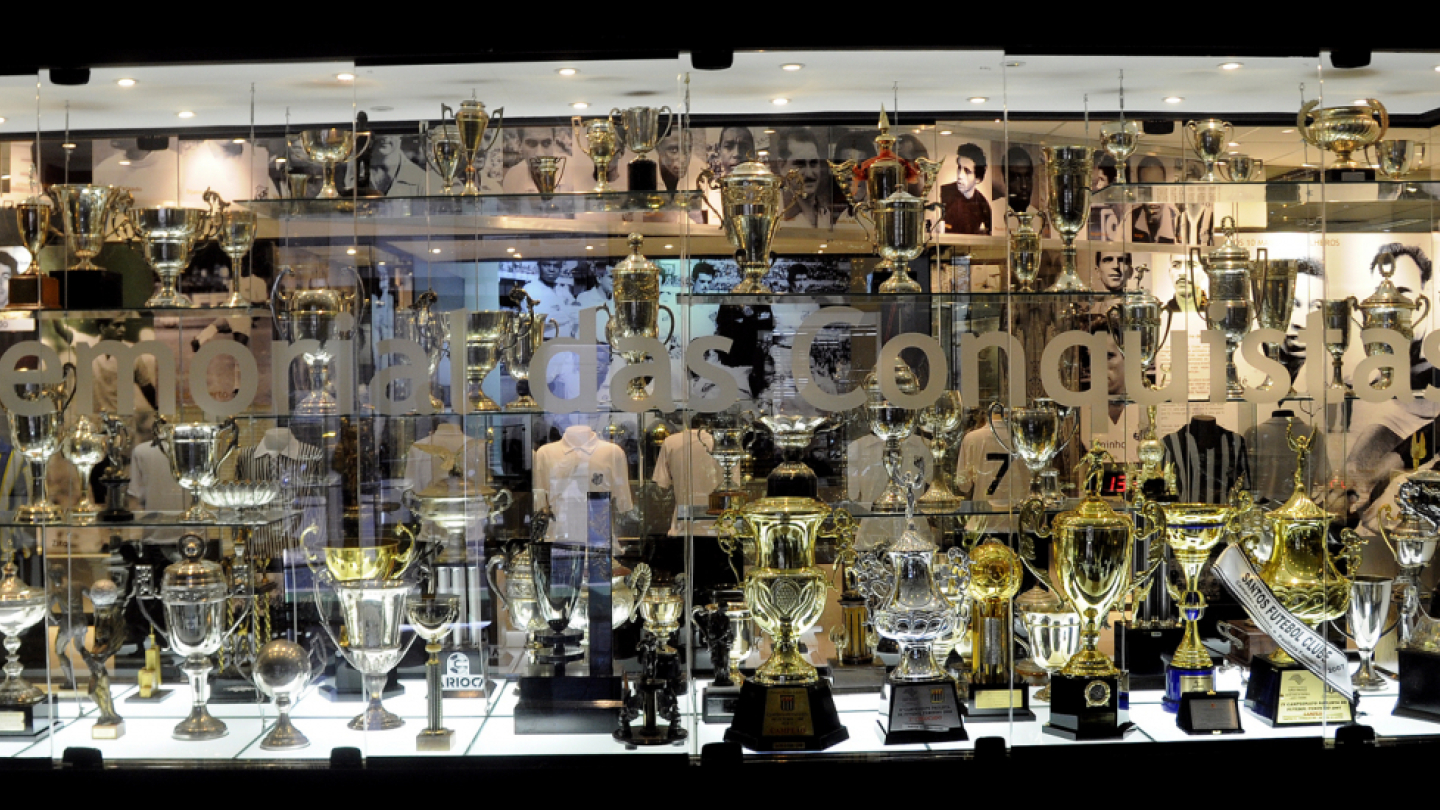
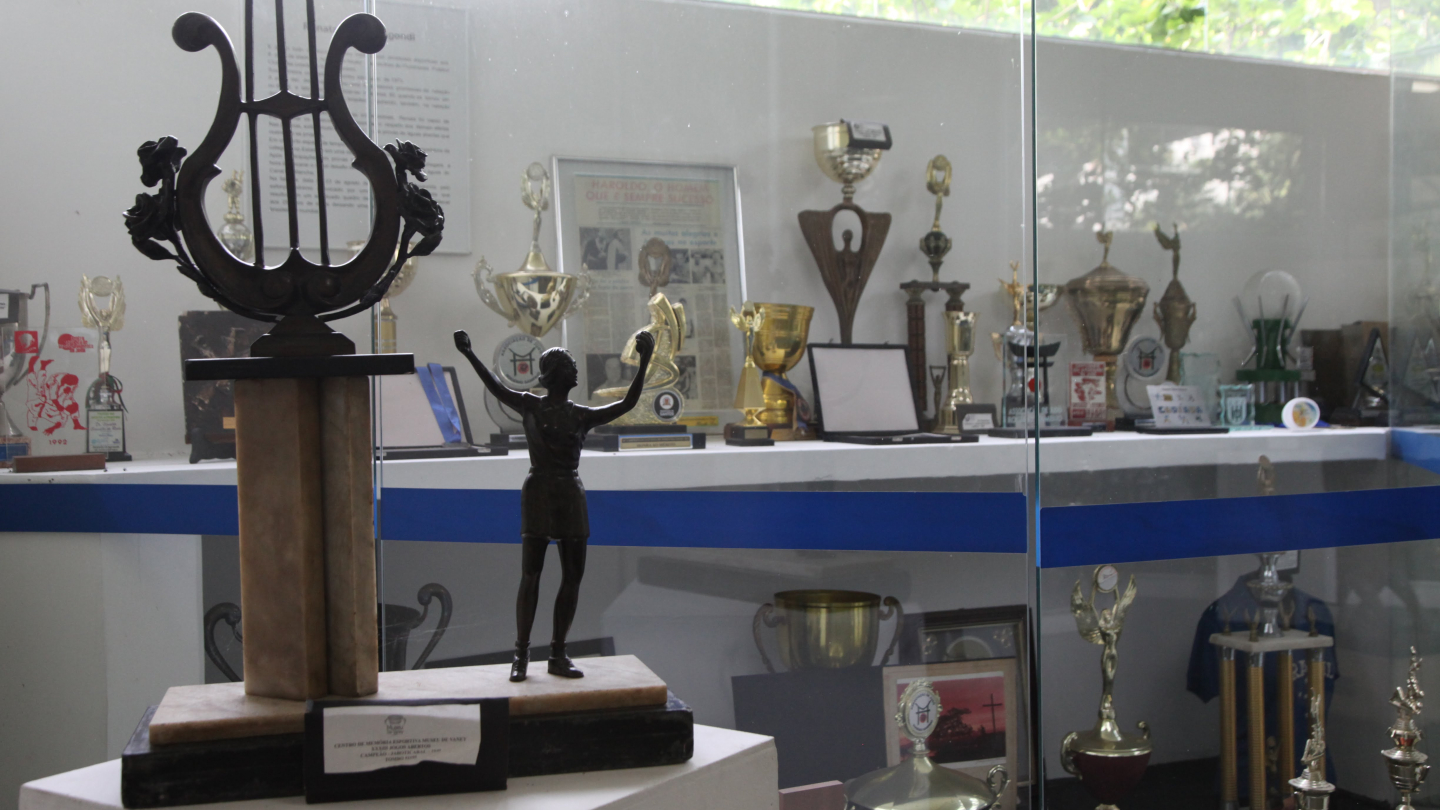
Vitrine ampla repleta de troféus de diferentes tamanhos e formatos, todos brilhantes e organizados em prateleiras de vidro. Ao fundo, fotos antigas em preto e branco compõem o cenário do memorial esportivo

Santos F.C. Trophy Hall and Memorial Museum

Top photo: Tadeu Nascimento


During a visit to the Santos Football club Trophy Hall and Memorial Museum, fans – and even those who are not so keen on football! – can learn about some of the many incredible feats of a team that stopped a war, scored more goals and is a renowned production line of international football cracks.

There are 380m² for visitors to have fun and learn about the legends of the most famous ‘vila’ in the world: Vila Belmiro, the neighborhood that is home to the Urbano Caldeira Stadium, and Santos FC. Installed on the ground floor of the stadium since November 17, 2003, the  Memorial Museum presents eternal moments of the great idols of all time, some with their own spaces, like Pelé and Neymar, as well 600 trophies, photographs, videos, prizes, banners and temporary exhibitions.

Old Arsenal

The Casa do Trem Bélico (Old Arsenal), one of the few old military buildings still left standing in the country and the oldest public building in Santos, is an example of colonial architecture of its day. It is believed to have been built between 1640 and 1646, but records show its existence only from 1734.

The city’s first whipping post was erected here. The building, which was used to store arms and ammunition to protect the then Vila de Santos settlement, became an Army Reserve Training School in 1948.

The name Trem Bélico comes from informal use of the word trem, to mean ‘a variety of objects’.

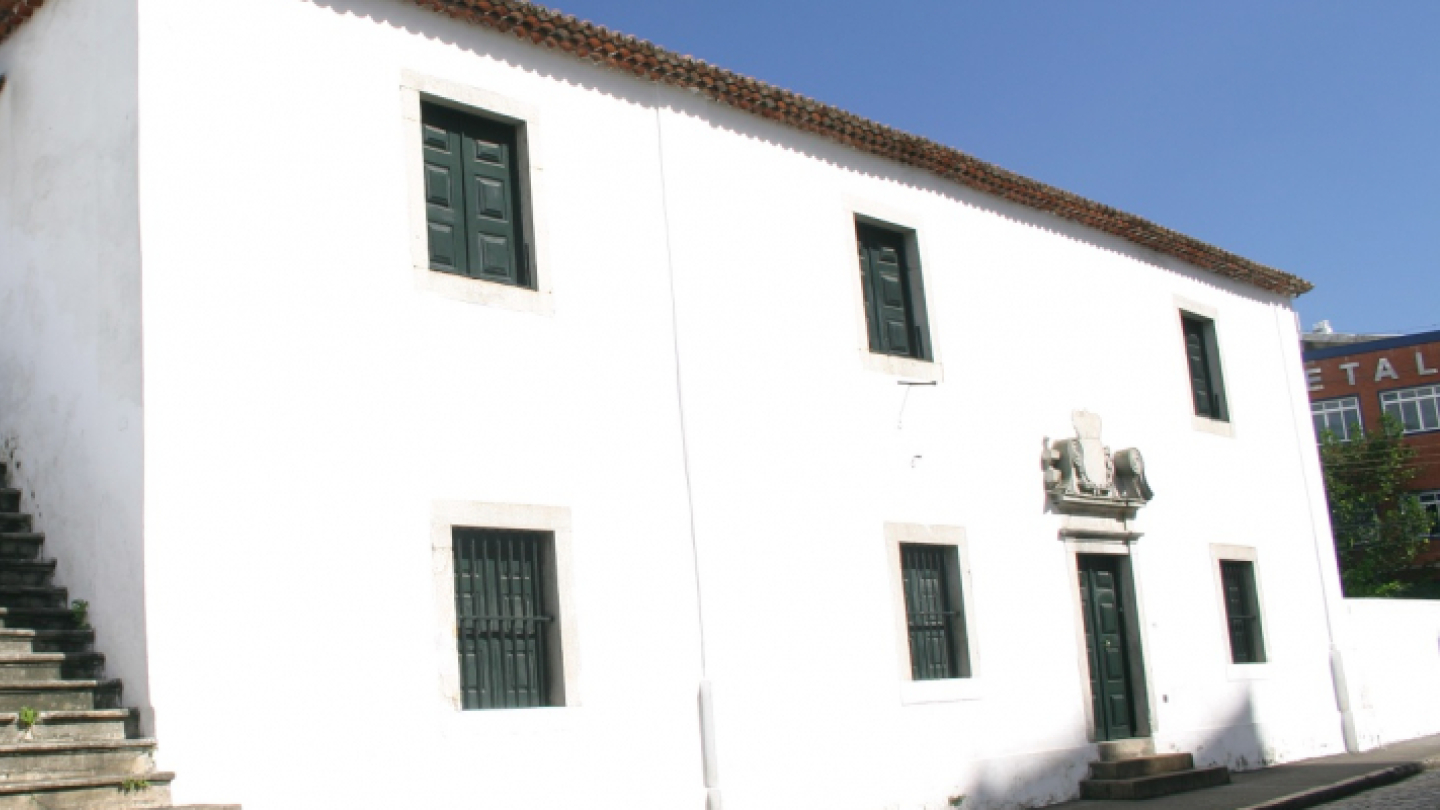
Construção branca de dois andares com escada externa e janelas verdes, combinando arquitetura tradicional com elementos decorativos em ambiente urbano

The Old Arsenal Building / The Artisan's House

Top photo: Tadeu Nascimento


The Old Arsenal is the only colonial military building of its type in Brazil, with original 17th-century Portuguese characteristics, and is the oldest building in Santos

Built between 1640 and 1656 as a depository for war items, that is, weapons and equipment to  protect the then Vila de Santos from attacks by pirates and Indians.

Council Chamber and Prison Building

This architectural monument of great historical value, with an area of more than 2,000m², was started in 1836 but finished only 30 years later. It housed the Council Chamber, prison, and police headquarters, and was the stage for the proclamation in 1894 of Brazil’s first and only Municipal Constitution. Constructed from stone and lime, the building is in Brazilian Colonial style.

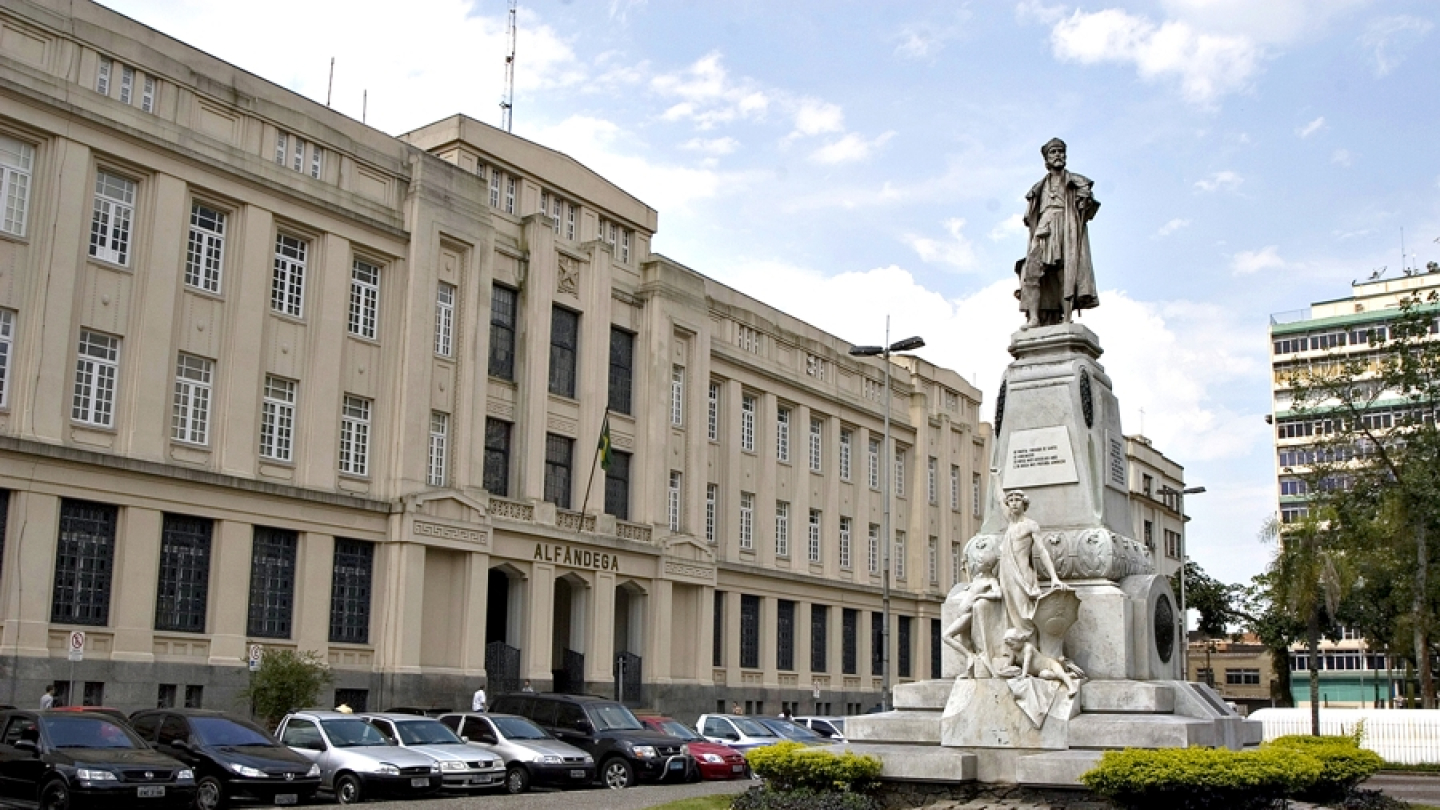
A imagem mostra uma praça urbana com um grande prédio histórico ao fundo e um monumento escultórico em primeiro plano.

Customs

The largest and most important customs unit in the country, with jurisdiction over 24 municipalities (from Bertioga to the border with Paraná), the Customs House operates inside a building of 12,350m², eclectic in architectural style, with Art-deco influences, inaugurated in 1934. Responsible for controlling 34% of Brazil’s foreign trade, the Santos customs division, created in 1550, was the third to operate in the country – the first was in Salvador (BA) and the second, in São Vicente (SP).

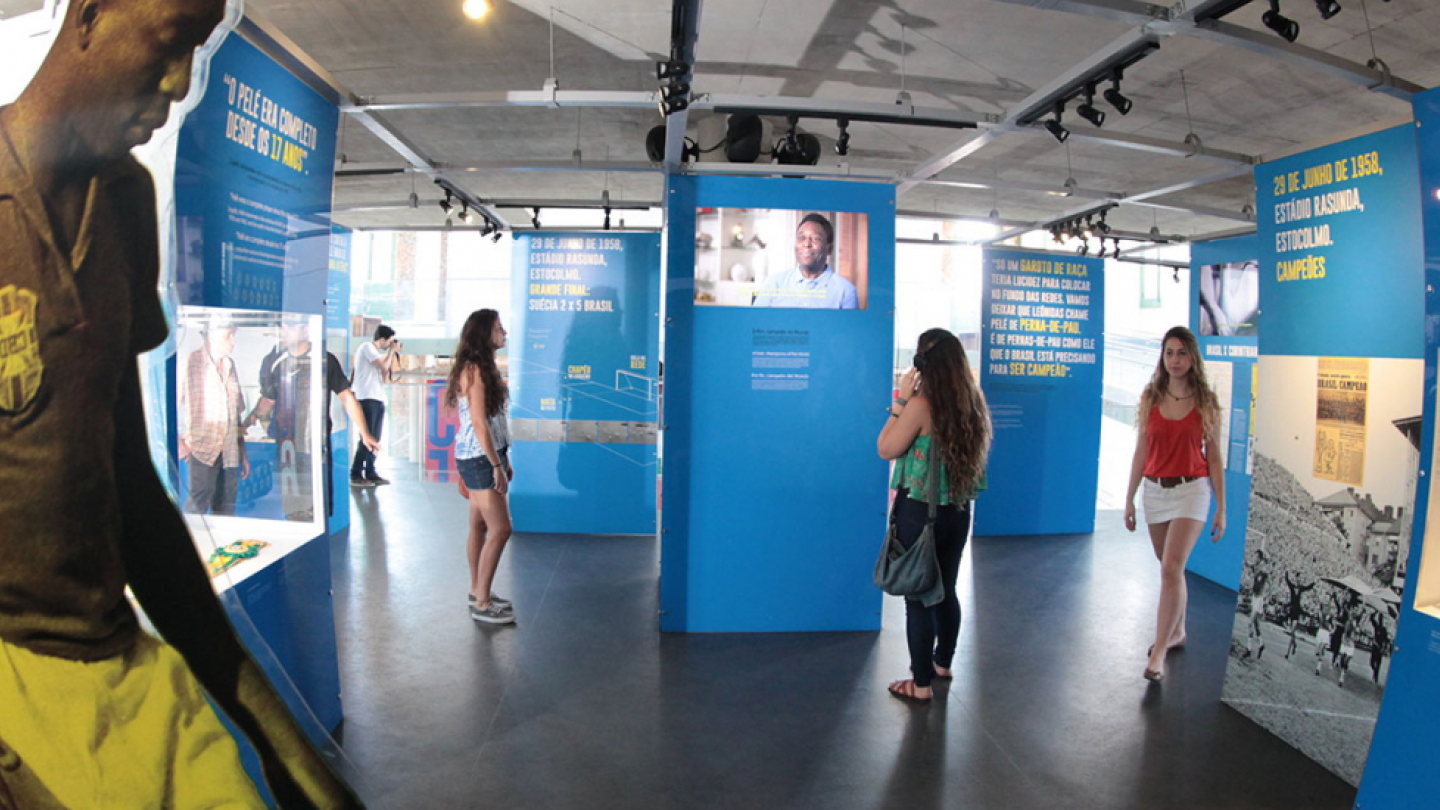
Interior de uma exposição sobre futebol: à esquerda, escultura em tamanho real de jogador com uniforme da Seleção Brasileira. No espaço, visitantes observam painéis azuis com textos, fotos e objetos históricos, em destaque a Copa de 1958.

Pelé Museum

Top photo: Anderson Bianchi


Installed inside the 19th -century Casarões do Valongo, which were damaged by two fires and then completely rebuilt, the Pelé Museum exhibits shirts, football boots, balls, honors and awards, trophies, a football made of socks and a shoeshine box, among other items from the personal collection of "The Athlete of the 20th Century". There are 2,354 items in all, to be displayed in rotation, according to exhibition theme (the first is "4 Cups and 1 King). In the museum's 4,134 square meters the public can also enjoy audio presentations, films, photos and texts about the history of the "King" As well as this, there is an interactive space where visitors can test their ball skills and even compare them to Pelé's performance.

Folder


A fachada de um prédio histórico de dois andares, com a frente coberta por azulejos brancos e azuis. No andar de cima há janelas com venezianas e portas de madeira avermelhada, e no de baixo há arcos com portas de madeira. A frente é adornada com sacadas de ferro forjado e há um poste de luz na frente.

House with tiled façade

Top photo: Carol Fariah


One of the most important architectural works in Santos, the House with Tiled Façade was built in 1865 as a residence and warehouse for Portuguese commander Manoel Joaquim Ferreira Netto (1808-1868).

A cultural space since 2007, hosting exhibitions, benefit events and cultural presentations, it frequently serves as a location for shooting commercials, soap operas, mini-series and short and full-length feature films.