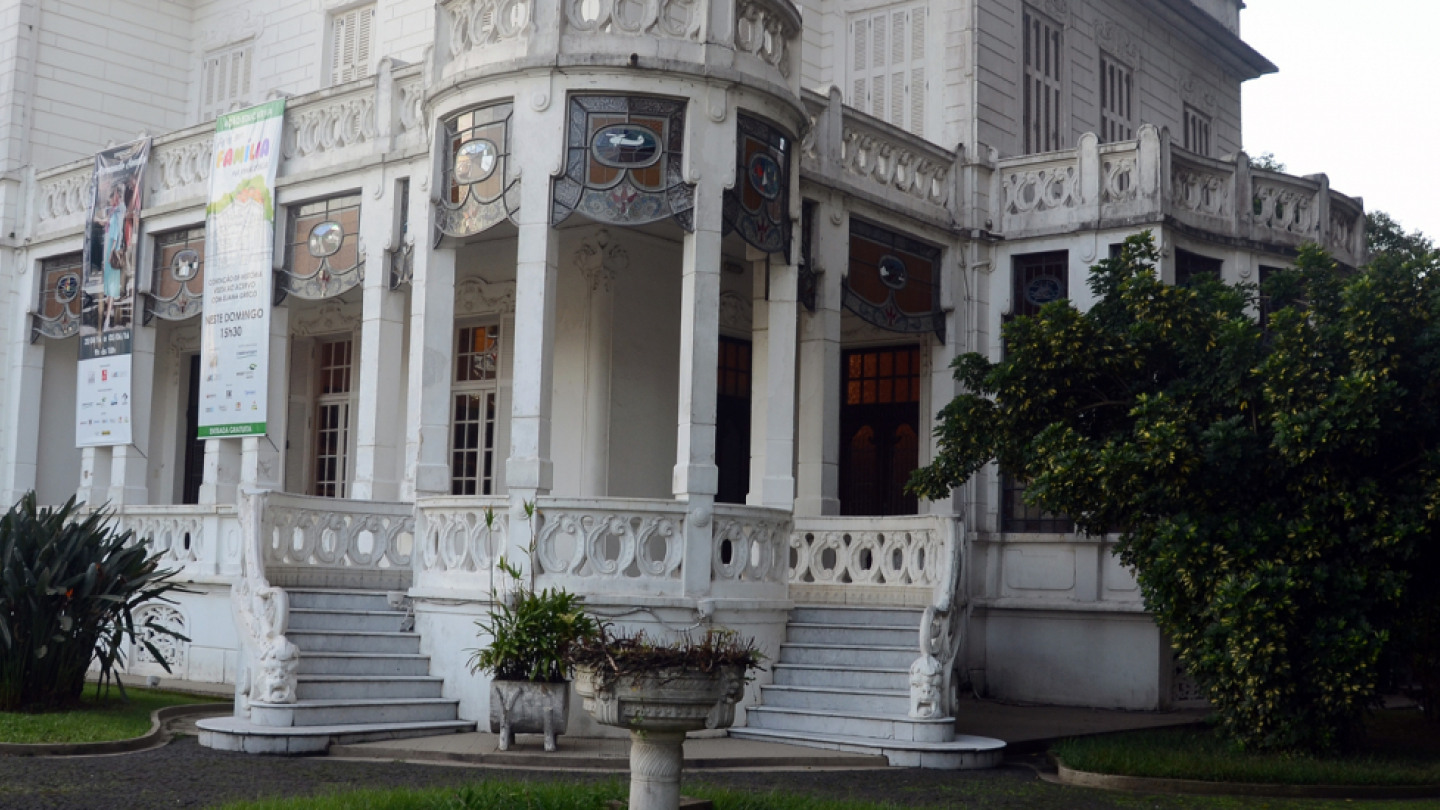
A imagem mostra um elegante edifício histórico de cor clara, com forte inspiração eclética e art nouveau, cercado por jardins bem cuidados. A construção se destaca pela fachada ornamentada, com sacadas curvas, colunas esguias e delicados elementos decorativos em relevo.

Benedicto Calixto Art Collection

Top photo: Marcelo Martins

Hosted in a beautiful neoclassical mansion from the early 20th century, the Benedicto Calixto Art Gallery is an important cultural space in the city, offering musical happy hours, courses, and various events for children and adults, especially on weekends.

The house, the last on the Santos coastline that retains the characteristics of the era of the coffee barons, served as a family residence, a retirement home, a boarding house for young women, and even a tenement, before being declared a public utility in 1979 and beginning its restoration seven years later.

On the ground floor are an art library and a permanent exhibition of works by Calixto, considered one of the greatest exponents of Brazilian painting from the early 20th century. The upper floor functions as a gallery for temporary exhibitions.

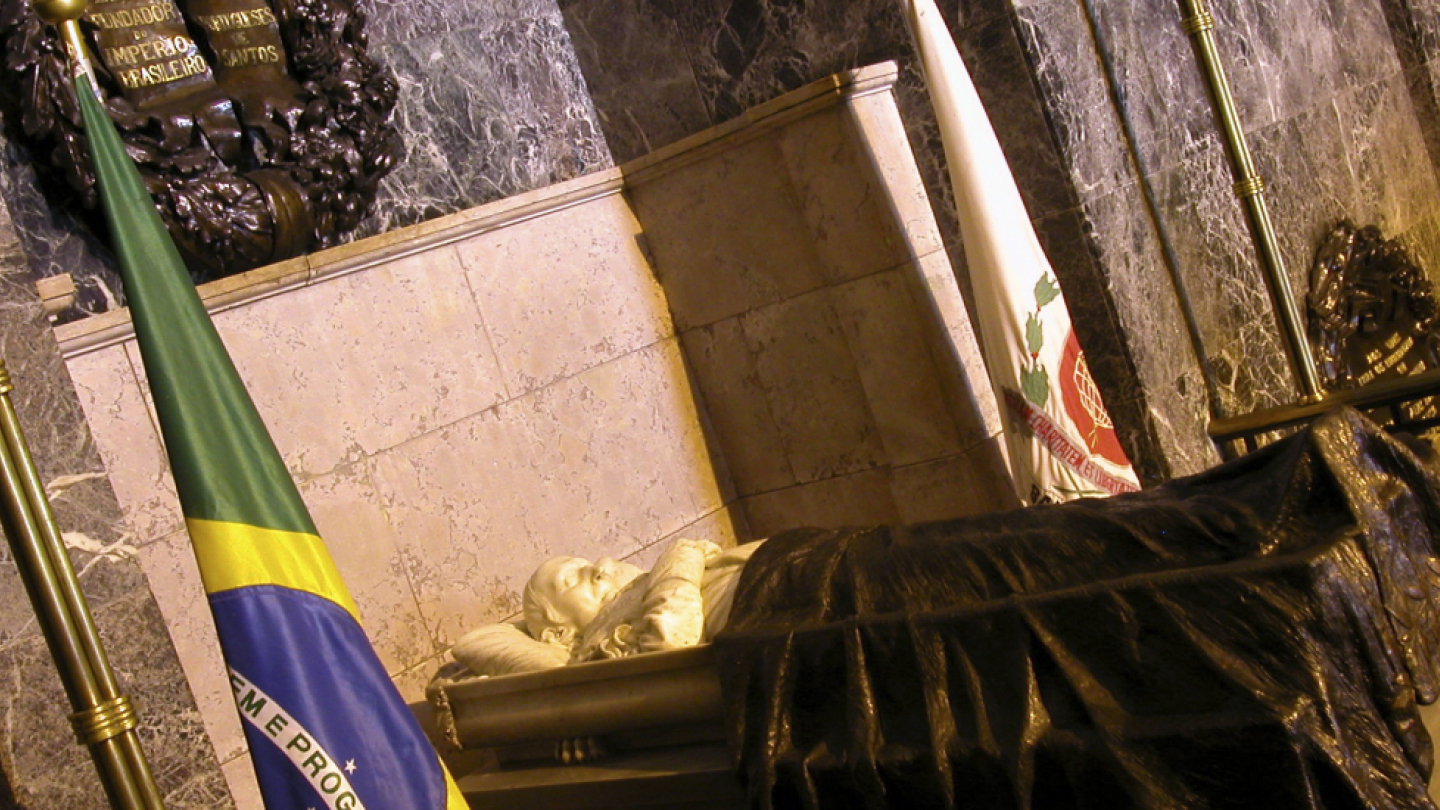
Foto aérea do Parque Roberto Mário Santini (Quebra-Mar) no José Menino, com alamedas, vegetação e o mar ao fundo

Roberto Mário Santini Municipal Park

Located on the Santos waterfront, Roberto Mário Santini Park is one of the city's most beloved public spaces. Also known as Quebra-Mar de Santos and Emissário Submarino de Santos, the park serves as a large outdoor meeting point, frequented daily by residents and visitors of all ages.


Uma fotografia em plano inclinado captura um sarcófago ou tumba monumental parcialmente coberta com tecido preto, ladeada por bandeiras (incluindo a do Brasil em primeiro plano) dentro de um ambiente interno de mármore escuro

Andrada Pantheon

Top photo: Tadeu Nascimento


The resting place of the ashes of José Bonifácio de Andrada e Silva, the ‘Father of Independence”, and his brothers Antonio Carlos, Martim Francisco and Father Patrício Manuel, the pantheon was inaugurated on 7 September, 1923. The civic monument occupies the space of the old  of the Carmo Convent gatehouse and consists of the monument designed by sculptor Rodolfo Bernardelli, made in Italy – the pieces arrived in 19 boxes, were then auctioned because of customs issues and acquired by merchants and by the Humanitarian Society of Santos. 

José Bonifácio Palace

Top photo: Tadeu Nascimento


The seat of Santos City Hall, the Palácio José Bonifácio honors one of the most illustrious Santos residents, José Bonifácio, the Father of Brazilian Independence. With statues of Mercury and Minerva  at the entrance, the building, constructed during the coffee boom years, is one of the few public buildings in São Paulo State that still has its original structure and most of its décor preserved. 

The Palace is full of symbolism, which refers to the philosophical past and historical importance of José Bonifácio de Andrada e Silva. Inaugurated in January, 1939, after two years of building work, it is the fifth seat of Legislative Power – and the first to have its own building. Occupying a site of 2847.15m², the seven-story building weighs around 12,000 tons and was constructed with 2,050,000 bricks.

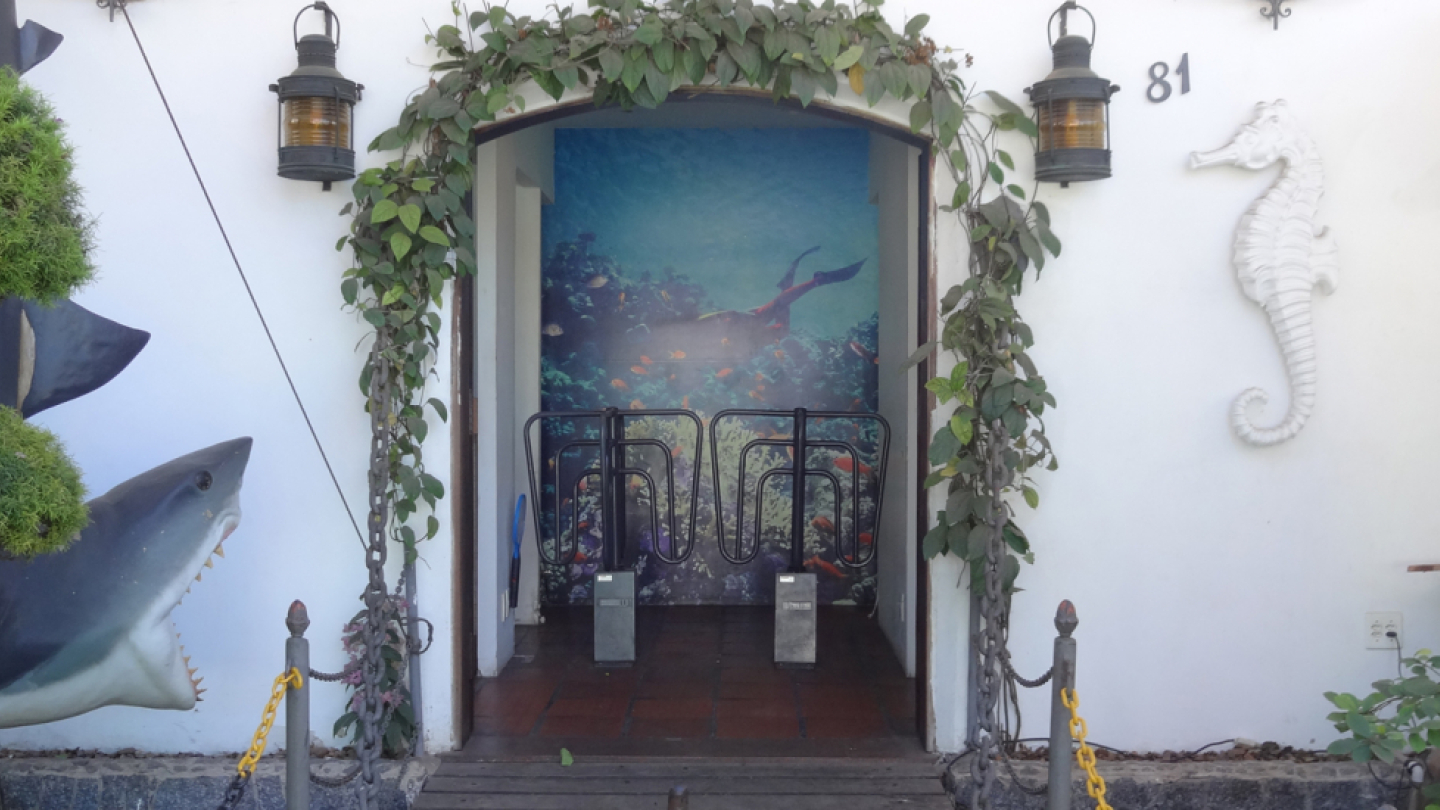
A imagem mostra a entrada de um espaço temático com decoração marítima. No centro há um portal arqueado adornado com trepadeiras verdes, conduzindo a um pequeno hall onde existem catracas de acesso. Ao fundo, uma parede apresenta uma grande imagem submarina com peixes coloridos e um mergulhador, criando um clima de “mundo subaquático”.

Sea and Maritime Museum

Top photo: Francisco Arrais

With a large collection of marine biology from Latin America, it possesses the largest collection of taxidermied sharks in the country, including the embryo of a specimen with two heads and fossilized teeth of a megalodon, a prehistoric animal extinct for 30 million years.

It also exhibits a whale shark; a sunfish, the largest bony fish in the world; seabirds and shells weighing over 100 kilos. A large part of the collection comes from abroad.

The Maritime Museum boasts one of the main collections of underwater archaeology and maritime history in Brazil. To the sound of old sailors' songs, visitors witness simulated cannon fire, contemplate models of pirates and captains, and appreciate relics recovered from 18th and 19th-century vessels, including pirate ships and the Titanic.

The entrance to the museum, which opened in December 2005, is adorned with ship flags and a life-size pirate figure. Inside, there are scale models of famous vessels, a collection of medals from various nationalities, and 25 oil paintings on canvas by Carlos Alfredo Hablitzel, depicting important Brazilian and foreign naval episodes, including the first naval battle in the bay of Santos in 1580.

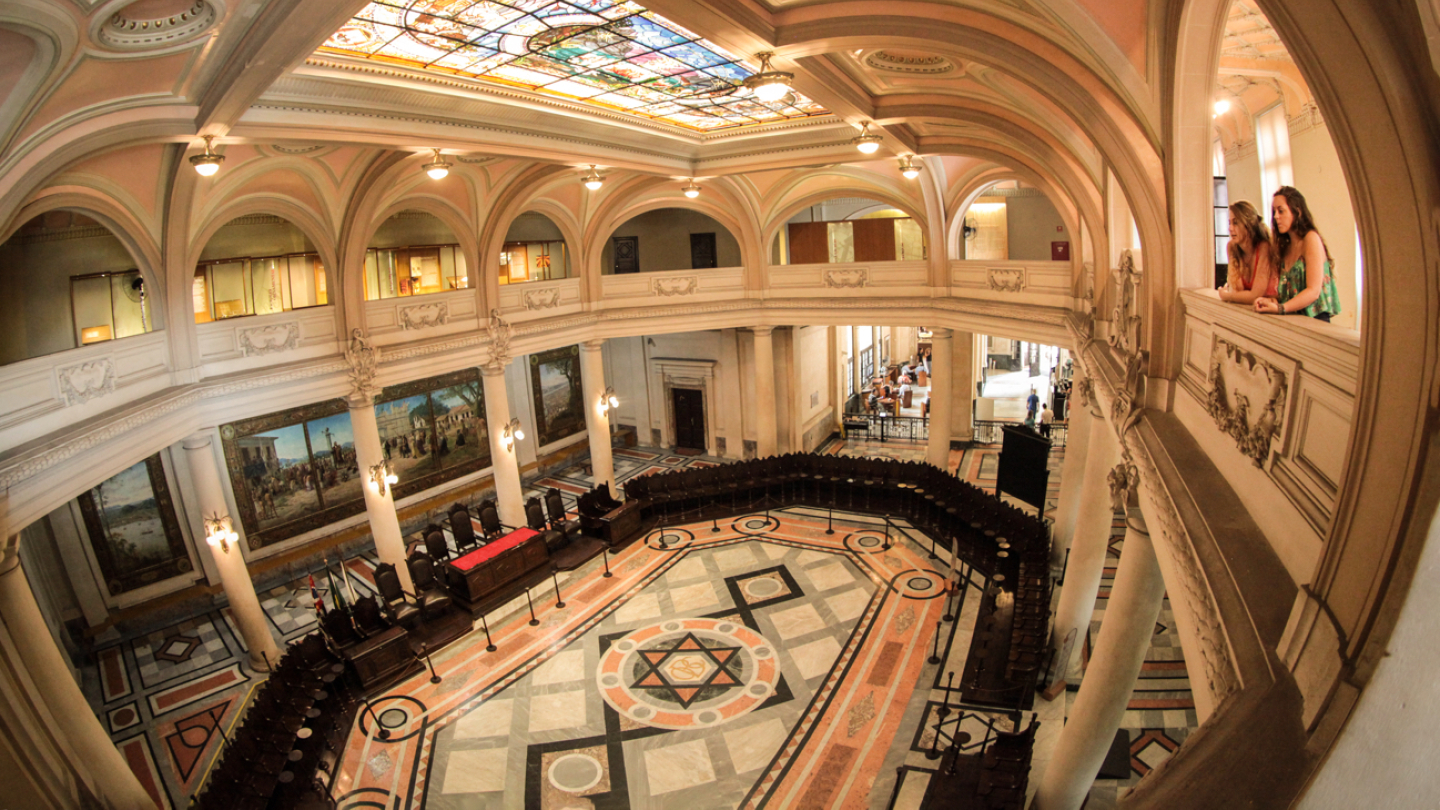
Salão nobre histórico com vitral colorido no teto, varandas internas e piso decorado

Coffee Museum

Top photo: Tadeu Nascimento


A place that brings together tradition, architecture, history, flavors and aromas. Installed in an eclectic-style building, with an area of 6,000 m² and more than 200 doors and windows, the Coffee Museum, inaugurated in 1998, is much more than a tourist attraction that showcases the number one Brazilian export at the end of the 19th century. It is an experience of various sensations, from the cultivation of the bean to the consolidation of coffee as one of the national symbols. Permanent and temporary exhibitions, works of art, period furniture, themed shop and a café serving the best coffee beans – including the most expensive and rarest in the country – are some of its many attractions.

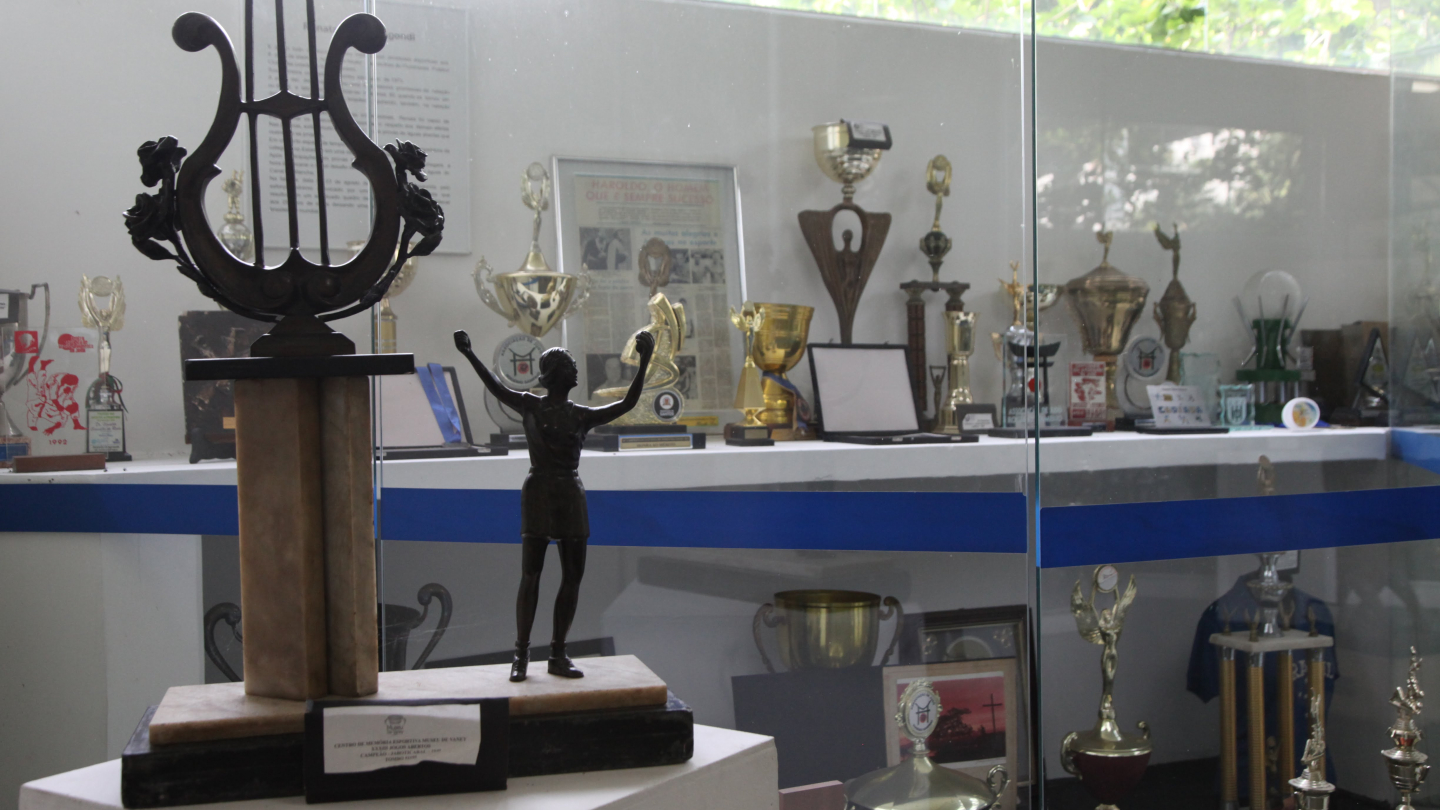
Uma vitrine de vidro exibe diversos troféus e medalhas esportivas, com destaque para uma estatueta de uma atleta em primeiro plano

De Vaney Sports Memorial Center

Top photo: Marcelo Martins


Created to recover, witness and preserve the sports history of Santos – considered the sportiest municipality in Brazil since 1955 – the De Vaney Sports Memorial Center boasts a collection of more than 500 trophies won from 1939.

The museum also houses photographic and personal collections with more than a thousand images, library and sports newspaper collection with journalistic material organized according to subject and sport. There are also records of veteran athletes, CDs and DVDs, research material, statements, auditorium for talks and small events. The museum offers guided tours, publishes information and has a choir of veteran athletes, which meets weekly. 

Fishing Museum

Top photo: Susan Hortas


Installed in a mansion built in 1908, the Fishing Museum is one of the main tourist attractions in Santos and is part of historical-cultural heritage of the entire region. Eclectic in style, the building, constructed on the site of the former Fort August (18th century), houses an important collection on the aquatic environment. 

Among its attractions are: a 23m-long whale skeleton, giant squid, Beach Room, play wing, stuffed animals and a huge collection of sand from beaches in Brazil and from around the world.   

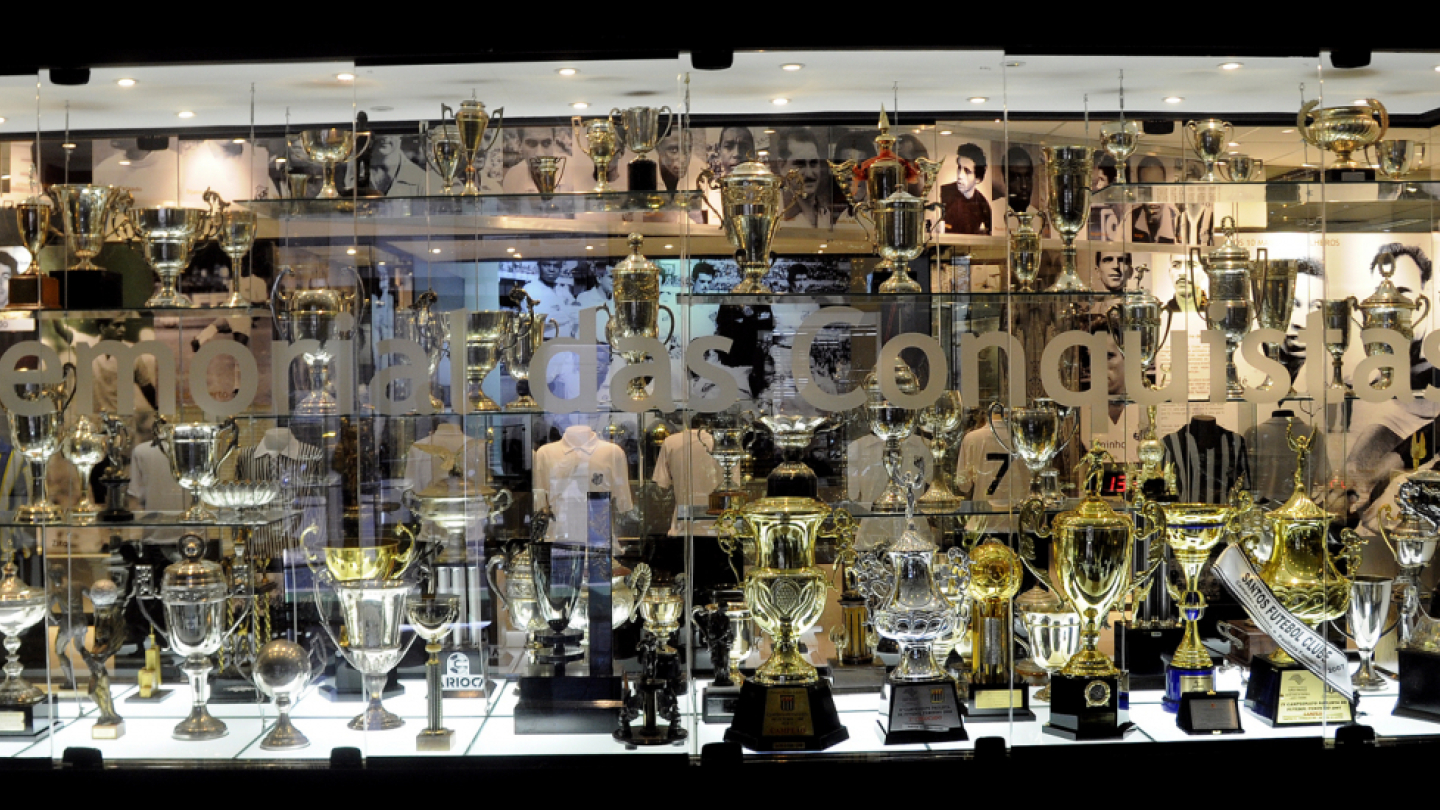
Vitrine ampla repleta de troféus de diferentes tamanhos e formatos, todos brilhantes e organizados em prateleiras de vidro. Ao fundo, fotos antigas em preto e branco compõem o cenário do memorial esportivo

Santos F.C. Trophy Hall and Memorial Museum

Top photo: Tadeu Nascimento


During a visit to the Santos Football club Trophy Hall and Memorial Museum, fans – and even those who are not so keen on football! – can learn about some of the many incredible feats of a team that stopped a war, scored more goals and is a renowned production line of international football cracks.

There are 380m² for visitors to have fun and learn about the legends of the most famous ‘vila’ in the world: Vila Belmiro, the neighborhood that is home to the Urbano Caldeira Stadium, and Santos FC. Installed on the ground floor of the stadium since November 17, 2003, the  Memorial Museum presents eternal moments of the great idols of all time, some with their own spaces, like Pelé and Neymar, as well 600 trophies, photographs, videos, prizes, banners and temporary exhibitions.

Erasmos Sugar Mill (ruins)

Top photo: Antonio Vargas


Considered one of the country’s most important archaeological sites, the São Jorge dos Erasmos mill was the first sugar-cane mill in Brazil, according to Frei Gaspar de Madre de Deus and Iphan (Institute of National Historic and Artistic Heritage).


Built in 1543 at the foot of  Morro da Canaleira, it is considered the only one on Brazil – and perhaps the world – constructed in Azorean style, which identifies the archipelago where the Portuguese developed the sugar industry. This characteristic is attributed because of the unified construction, with all the installations under one roof. It is also the only mill in the country whose ruins are preserved.