Main photo: Tadeu Nascimento
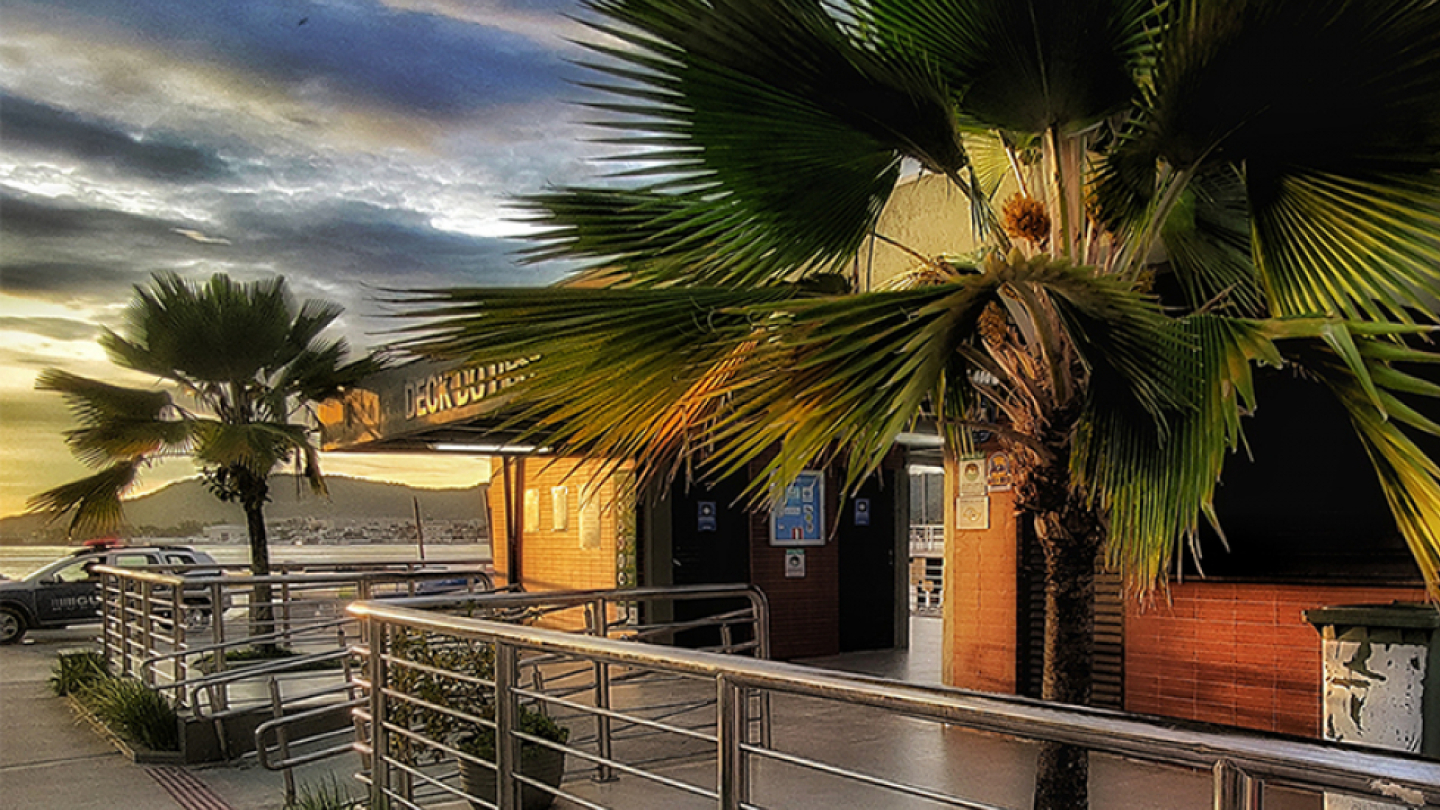
A favored spot for fishing enthusiasts and the perfect observation post to watch ships coming and going in the Santos Estuary, this is one of the city’s main tourist attractions.
Main photo: Tadeu Nascimento
A favored spot for fishing enthusiasts and the perfect observation post to watch ships coming and going in the Santos Estuary, this is one of the city’s main tourist attractions.
Top photo: Tadeu Nascimento
A national heritage site since 1940, Conjunto do Carmo, comprising two churches, is considered one of the oldest religious examples of Brazilian baroque. The 18th-century Venerável Ordem Terceira do Carmo church, built by a lay order, is distinguished by its wooden rococo altars, paintings by friar Jesuíno do Monte Carmelo (1764-1819), and by the holy water font, built in 1710. The side altars bear images of Christ on the Way of Sorrows and are considered the most important in the Santos Bay Area for the uniformity of their style. Thanks to these images, the church, consecrated on April 8th, 1760, is known as the Church of the Passion of Christ. Next door stands the Carmelite Convent Church, dating from 1599. The gilded wood altars are in baroque style, adorned with 18th-century devotional images. The presbytery has jacaranda wood pews, used when the brothers make their devotions. Other highlights in this church are the paintings by Benedito Calixto and the very fine candle-holders. The churches are linked by a bell-tower, creating an unusual façade in baroque art, covered by original 19th-century tiles depiciting scenes of Our Lady.
Also known as Palacete Mauá, this is the oldest residential building in Santos and today is used for commercial purposes. Built in 1818, it is 3,000m2 in area and has undergone much restoration work without great alterations to its architectural features.
It was originally occupied by traditional Santos families, among them José Antonio Vieira de Carvalho, governor of Itapema Fort and also a judge, councilor and Local Council president, when this post was equivalent to that of mayor. It was here on March 4th, 1822, that the grandest, most opulent ball in 19th-century Santos was held, ‘the Feast of the Meteors’.
Today the building is used for events and cultural activities. At one time, it housed the main branch of Mauá, Santos and Mercantile bans, as well as being used to billet Imperial troops during the Paraguay War. In 1887, the north-American export company Hard Rand took over the mansion, extended it and operated from there from 1922.
In the 1980s the building was used as a location for filming of the soap opera Os Imigrantes, broadcast by TV Bandeirantes.
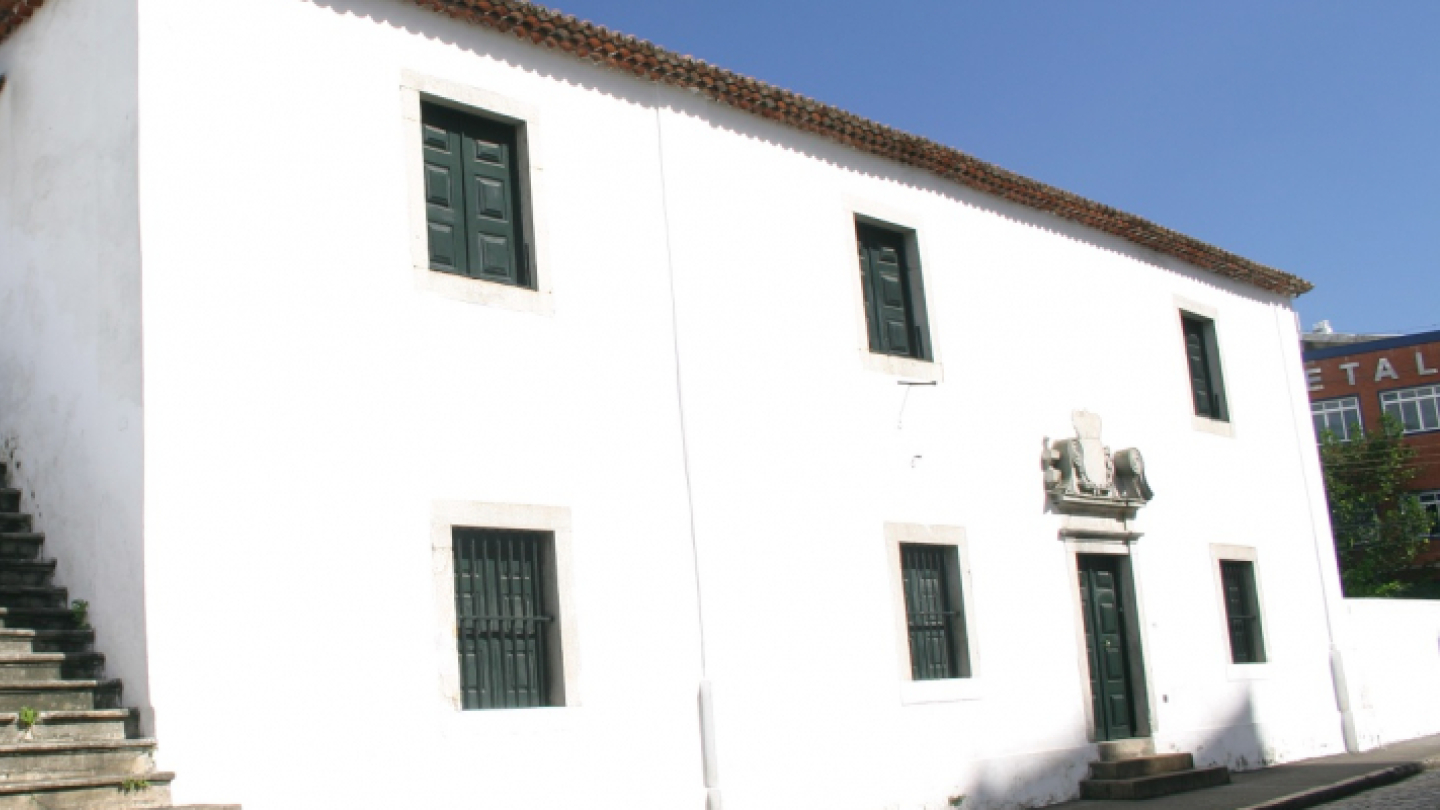
The Casa do Trem Bélico (Old Arsenal), one of the few old military buildings still left standing in the country and the oldest public building in Santos, is an example of colonial architecture of its day. It is believed to have been built between 1640 and 1646, but records show its existence only from 1734.
The city’s first whipping post was erected here. The building, which was used to store arms and ammunition to protect the then Vila de Santos settlement, became an Army Reserve Training School in 1948.
The name Trem Bélico comes from informal use of the word trem, to mean ‘a variety of objects’.
Top photo: Tadeu Nascimento
The Old Arsenal is the only colonial military building of its type in Brazil, with original 17th-century Portuguese characteristics, and is the oldest building in Santos
Built between 1640 and 1656 as a depository for war items, that is, weapons and equipment to protect the then Vila de Santos from attacks by pirates and Indians.
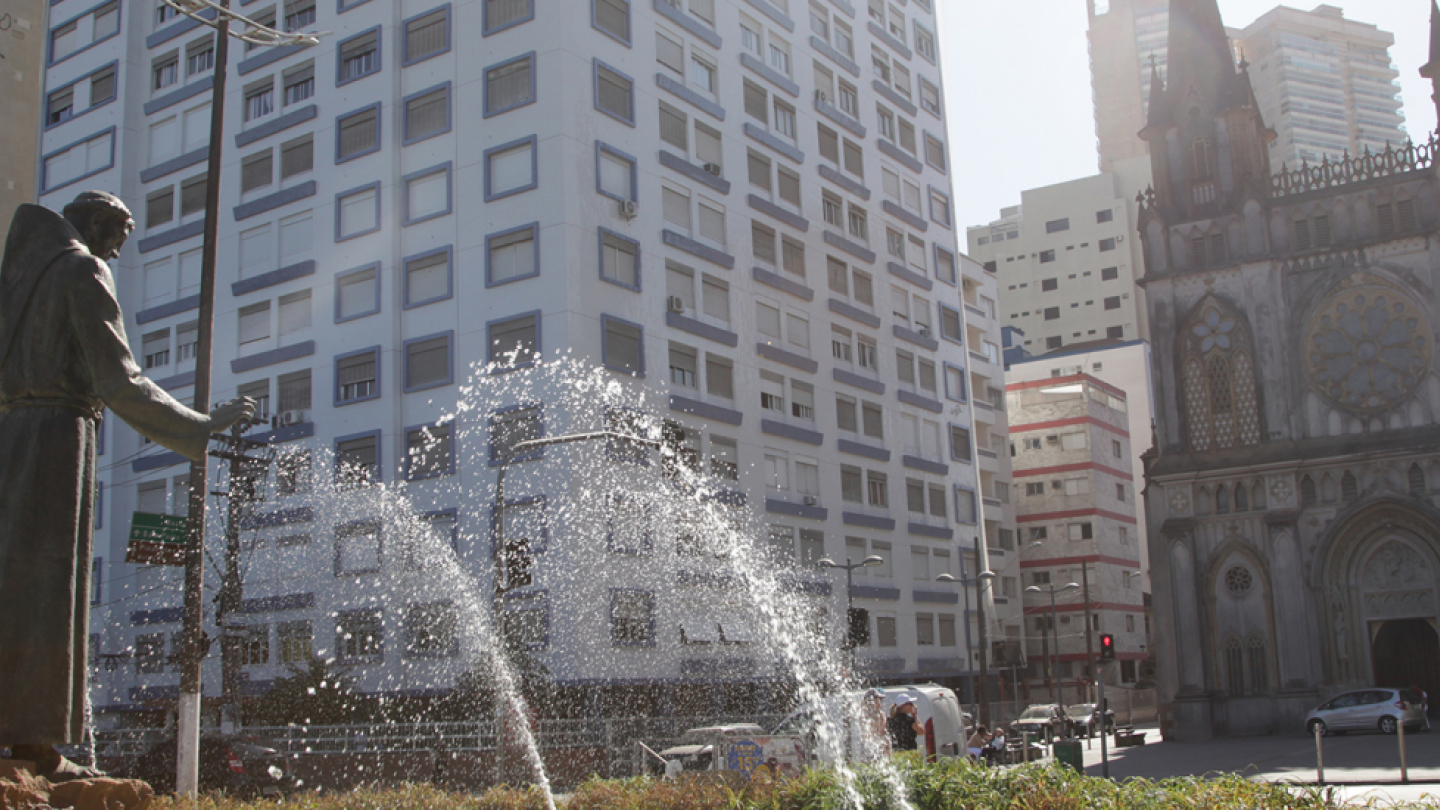
Built in an imposing neo-gothic style, the church was inaugurated in 1945 and elevated to the category of Basilica by Pope Pius XII in 1952. Its origins go way back to a tiny chapel built in 1875 by Antonio Ferreira da Silva Jr., Viscount Embaré, and his wife, and then handed over to Franciscan friars in 1913, who began the new construction in 1930.
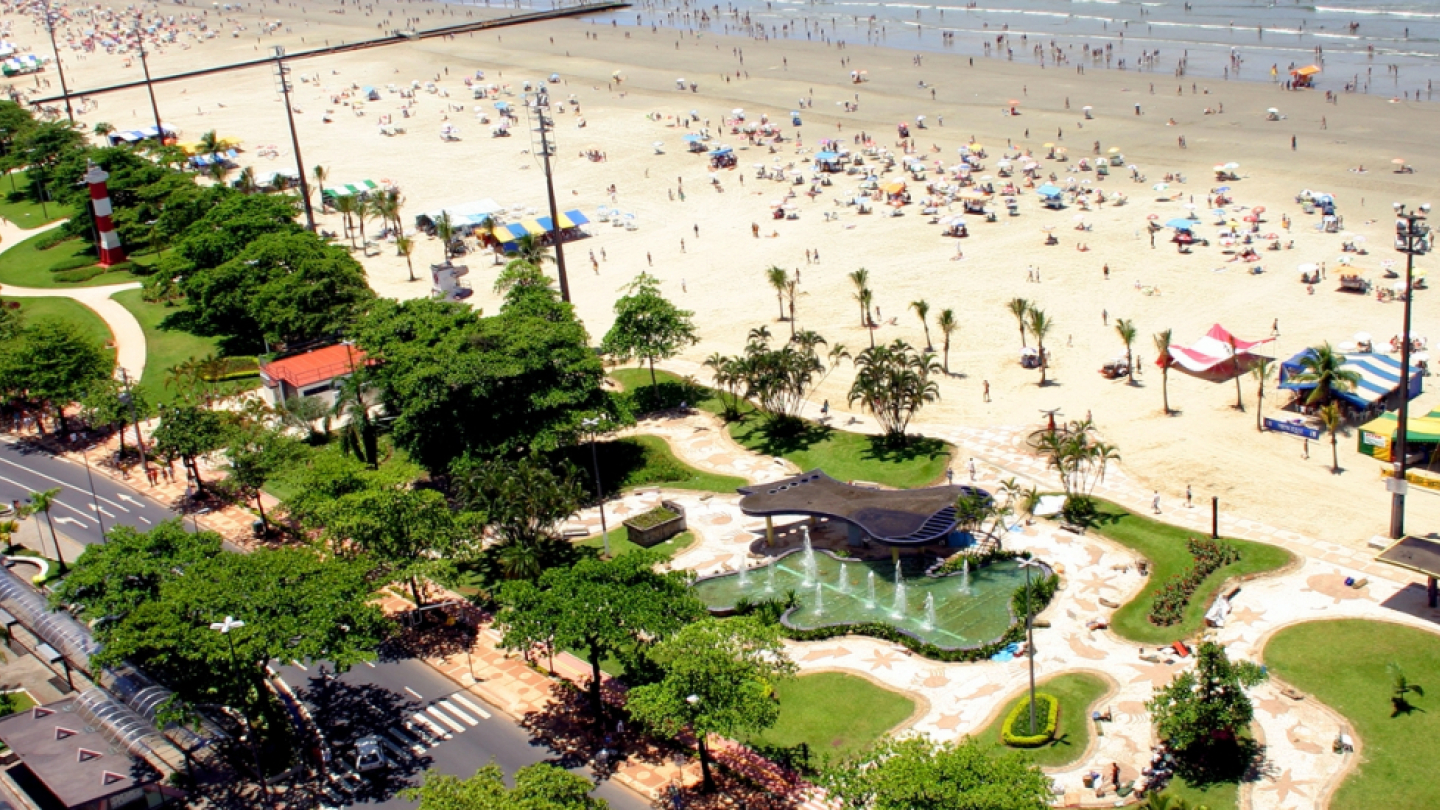
Santos is home to the largest beach-front gardens in the world, as registered in the Guinness Book of World Records in 2002. Still the record holder, the gardens, which frame the seven kilometers of beaches, are one of the city’s main tourist attractions and stretch for 5.335km, varying in width between 45m and 50m, with a total area of 218,800m2 .
They are also an open-air art gallery, housing no fewer than 38 monuments and sculptures, highlighting characters from the Santos, national and international scenarios.
Top photo: Anderson Bianchi
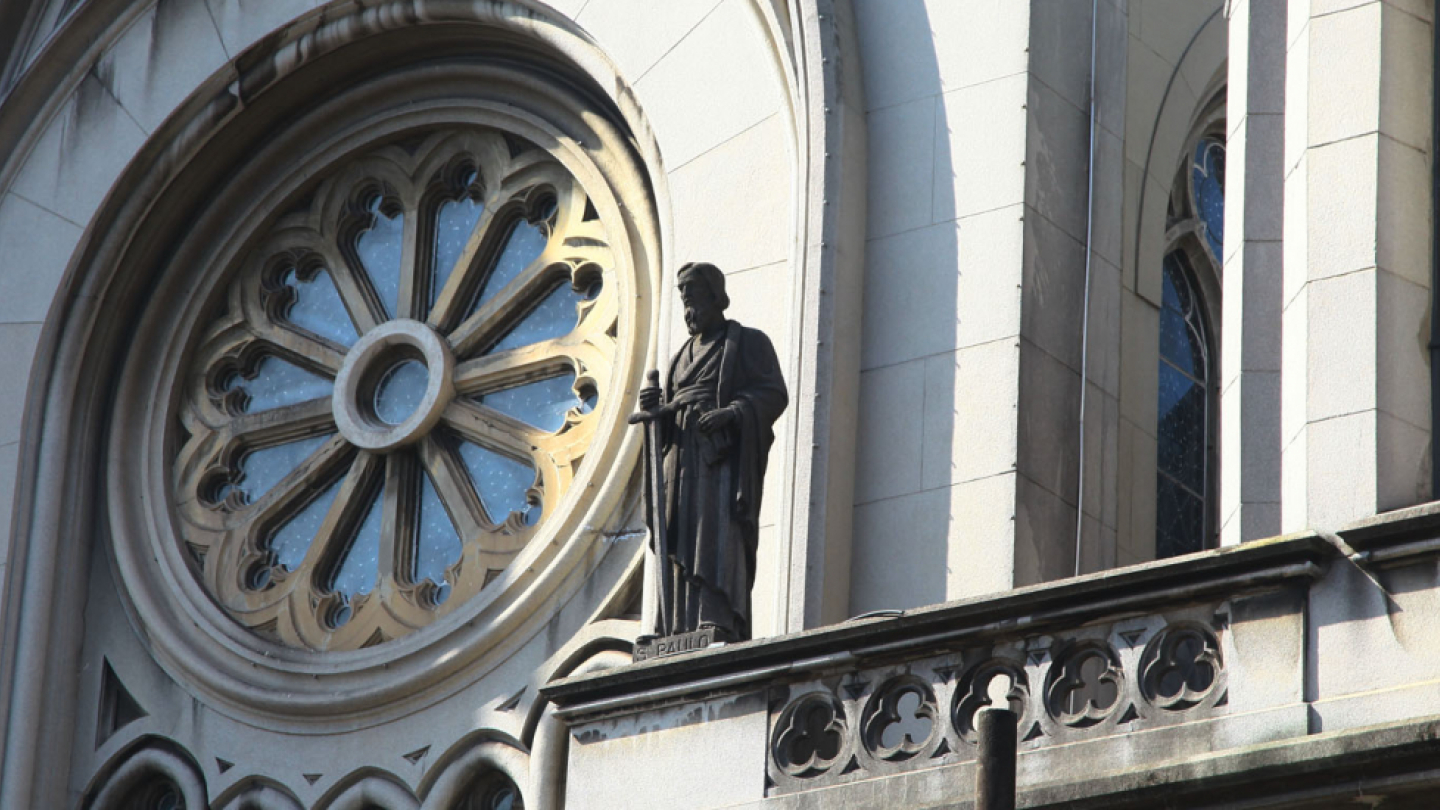
Built in the Neo-Gothic style, it is the seat of the Parish of Our Lady of the Rosary. Construction of the cathedral began in 1909, it was inaugurated in 1924, but only completed in 1967. On the facade are two images in natural granite, representing Saint Peter and Saint Paul, and, above them, are the figures of the prophets Isaiah, Jeremiah, Ezekiel and Daniel, with four evangelists beside them.
Top photo: Anderson Bianchi
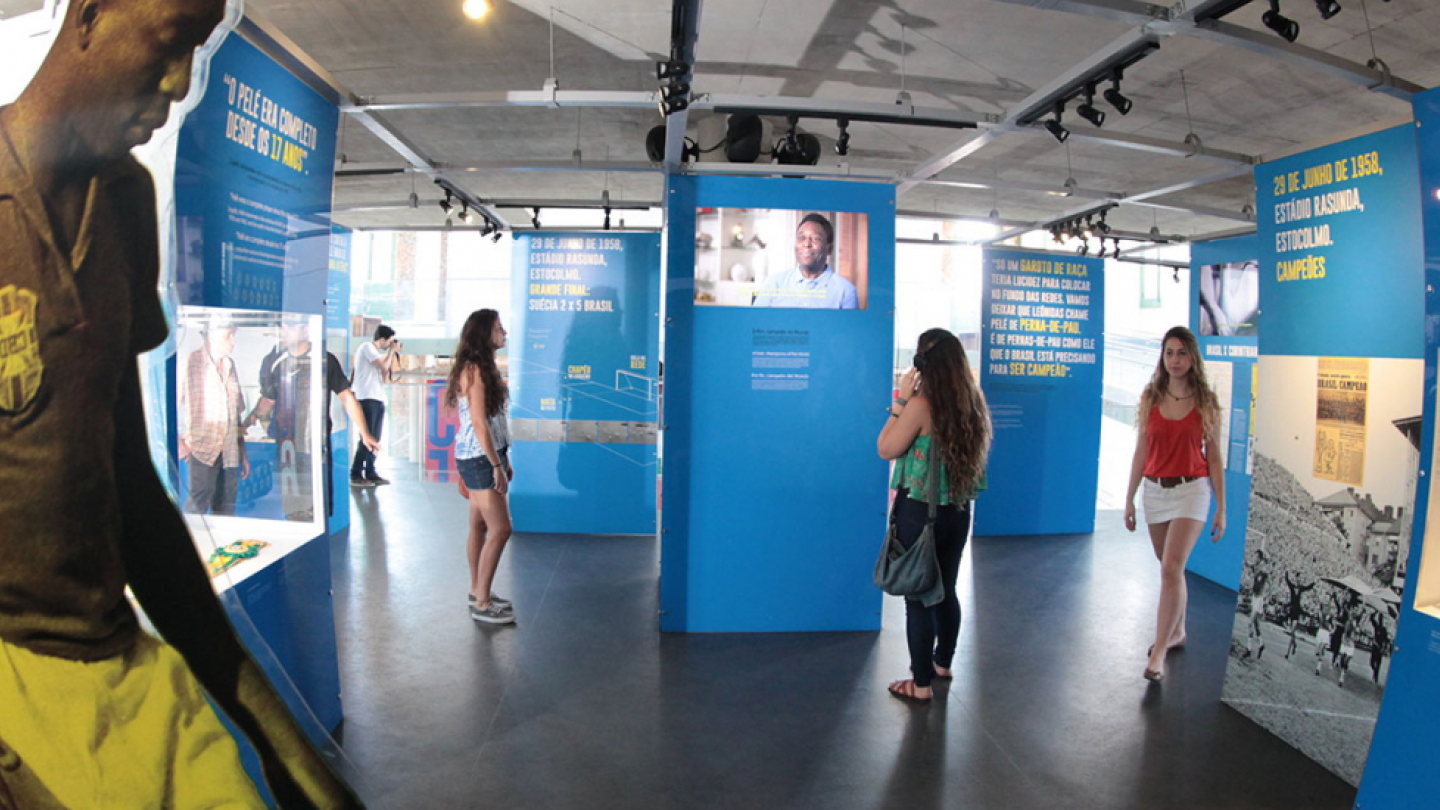
Installed inside the 19th -century Casarões do Valongo, which were damaged by two fires and then completely rebuilt, the Pelé Museum exhibits shirts, football boots, balls, honors and awards, trophies, a football made of socks and a shoeshine box, among other items from the personal collection of "The Athlete of the 20th Century". There are 2,354 items in all, to be displayed in rotation, according to exhibition theme (the first is "4 Cups and 1 King). In the museum's 4,134 square meters the public can also enjoy audio presentations, films, photos and texts about the history of the "King" As well as this, there is an interactive space where visitors can test their ball skills and even compare them to Pelé's performance.
Top photo: Francisco Arrais
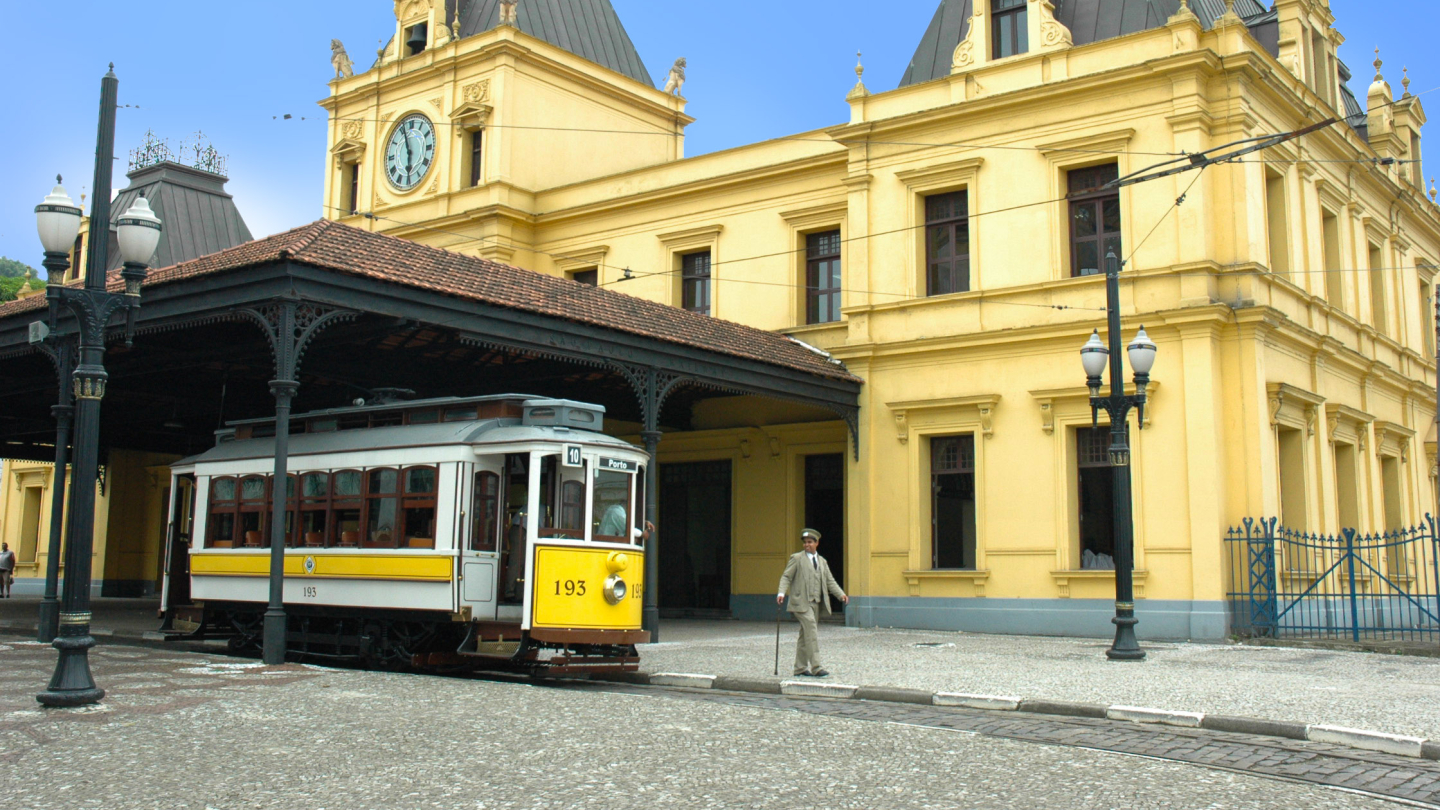
The Tourist Streetcar ride offers a true voyage back in time via 40 points of historical and cultural interest. With departures from Valongo station – built in 1867 for the first railroad in São Paulo – the electric streetcars from the 19th and 20th centuries travel through the Historic Center, accompanied by a tour guide.
They are original vehicles, originating in Scotland, Portugal and Italy, making Santos the first Living Streetcar Museum in Latin America. Drivers and conductors wear replicas of the original uniform from the time when the streetcars were the city’s main means of transport.